clark@santaslightssacramento.com
  Call us: (916) 365-4842




What’s the Difference Between LED and Incandescent Christmas Lights?

Homeowners often wonder whether LED or incandescent Christmas lights are better for their home. The distinction matters, especially for families thinking about longer displays, bigger roofline installations, or permanent lighting. If you are considering Christmas lights installation in Roseville or the greater Sacramento area, understanding the strengths and weaknesses of each option will help you make an informed decision before your next holiday season. Since Santa’s Lights uses LED lighting for every project, we are familiar with how much more dependable and efficient they are
Both types of lights create a warm holiday atmosphere, but they behave differently once installed. The way they use energy, the amount of heat they produce, and their long-term reliability all influence how well they perform. Below is a closer look at how these lighting styles compare and what homeowners should expect when deciding between them.
What You Should Know About LED Christmas Lights
LEDs Stay Cooler and Use Less Power
The most noticeable difference is how little heat LEDs produce. They operate through a semiconductor rather than a filament, which allows them to create light without wasting energy as heat. This quality makes them far safer for long-term use on rooftops or landscaping. It also reduces the strain placed on the home’s electrical system.
LEDs Last Longer
Another advantage is longevity. LEDs have an extended lifespan because they avoid the issues that plague older bulbs. There is no filament to break, and the internal components hold up well even in outdoor environments. Homeowners who want a consistent display throughout the season benefit from this reliability.
LEDs Produce Consistent Color
Color accuracy stands out in LED systems. A well-manufactured LED maintains the same brightness and tone from one bulb to the next, which creates a cleaner and more modern look. This consistency helps permanent lighting installations blend into the architecture of the home.
What You Should Know About Incandescent Christmas Lights
Incandescents Run Hot
Traditional incandescent bulbs create light by heating a metal filament. This approach raises their surface temperature and increases the chance of damage when the bulbs contact dry leaves or delicate materials. Although many people enjoy the classic glow of incandescent lights, the heat they produce is the main reason homeowners replace them.
Incandescents Use More Energy
Because they rely on a heated filament, incandescents consume more electricity to achieve the same brightness as LED bulbs. This difference can raise seasonal utility costs. A home that uses several strands at once may feel that increase more than expected.
Incandescents Have a Shorter Life
Filaments weaken over time, and even new incandescent bulbs can burn out quickly. The strands often fail in unpredictable ways, leaving dark areas across the display. Many homeowners grow frustrated with these inconsistencies and look for more dependable lighting.
Key Practical Differences to Consider
Safety
LEDs are the safer option for multi-hour or overnight displays. Their lower operating temperature makes them far less likely to damage surrounding materials or create electrical stress. Homeowners who want the freedom to leave lights on longer usually prefer LED systems.
Maintenance
LED lighting requires less attention. Incandescent bulbs often need replacements, and strands can fail at awkward times. Exterior lighting should be dependable, especially during the busy holiday season, and LEDs offer that stability.
Appearance
Some homeowners enjoy the nostalgic feel of incandescent light. Others prefer the clean, accurate tones of LEDs. Permanent lighting tends to favor LEDs because they maintain uniform brightness across the entire roofline.
Overall Cost
LEDs carry a higher upfront cost, but they reduce energy use and last longer. The long-term savings are significant when homeowners plan to run their lights for many hours each night.
Why Permanent Christmas Lighting Uses LEDs
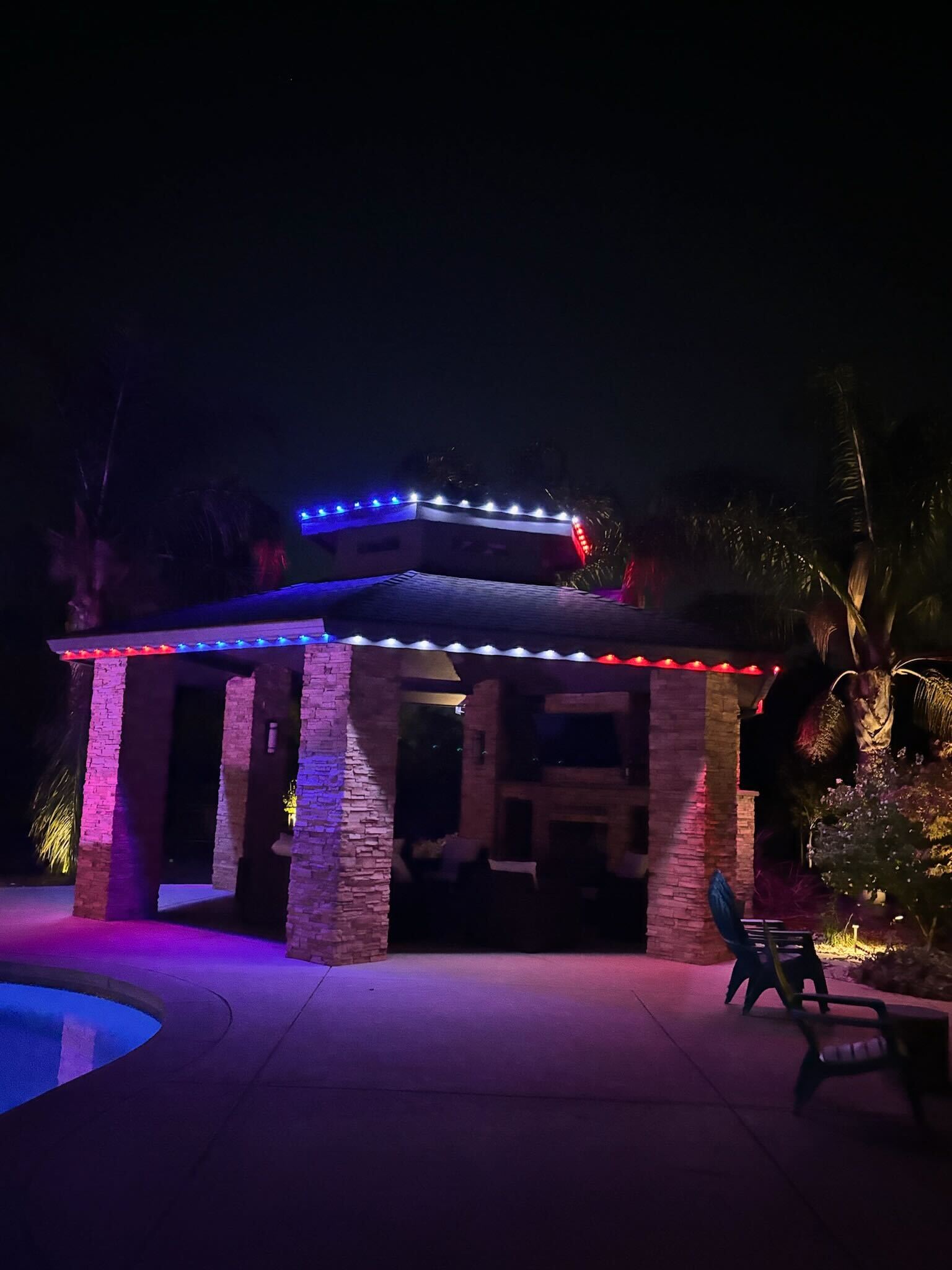
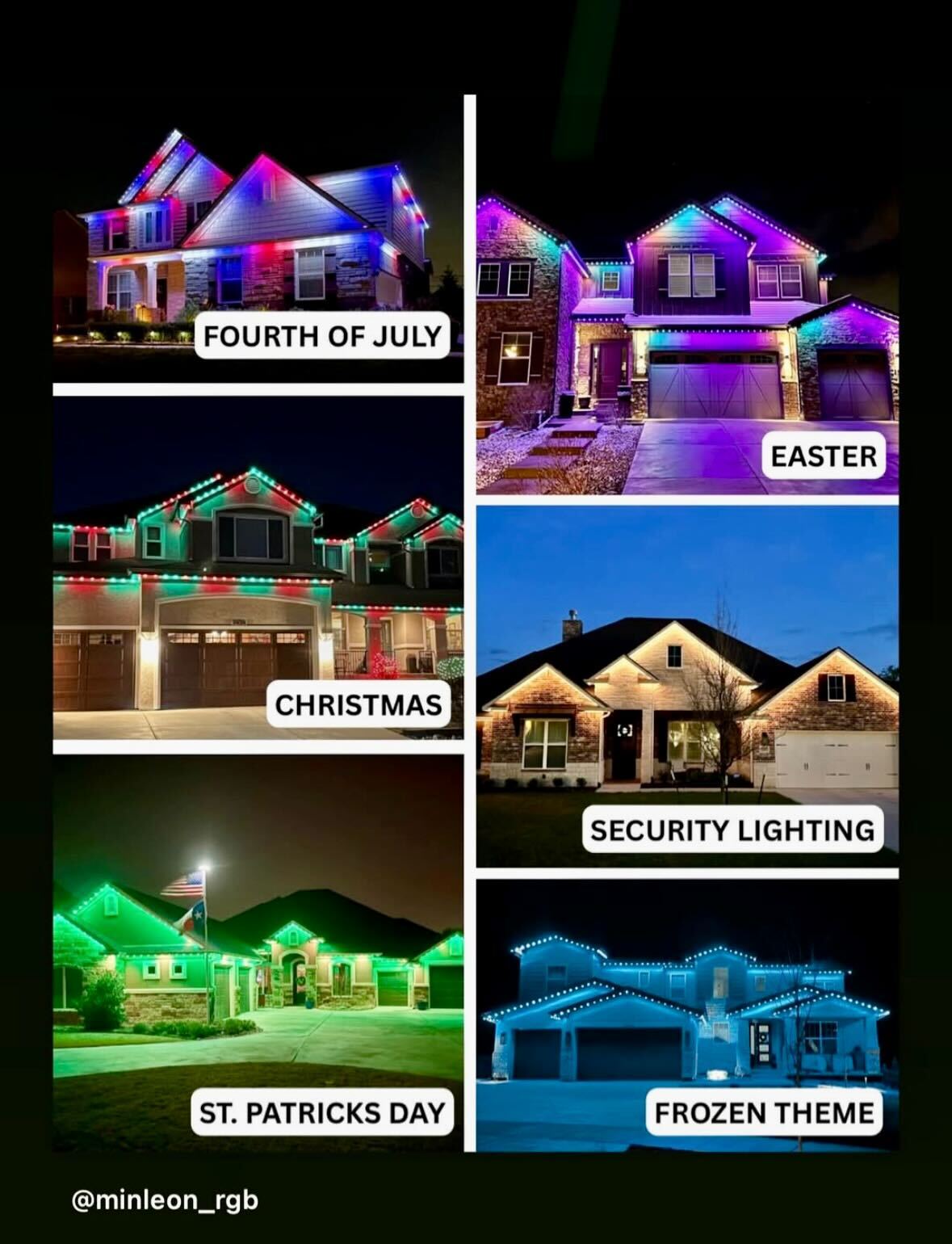
Permanent lighting relies on components that stay outdoors year-round. LEDs handle heat, rain, and temperature swings far better than incandescent bulbs. Their durability aligns with the expectations homeowners have when investing in a system that remains attached to the home through every season. LEDs also pair naturally with modern controllers that offer scheduling, color customization, and zoning features.
The dependable output and long lifespan of LEDs make them the preferred choice for homeowners who want a polished display without frequent troubleshooting. The comfort of knowing the lights will perform consistently each night is a major reason permanent installations have grown so popular.
Final Thoughts on Choosing Between LED and Incandescent Lights
Both lighting types bring their own charm to a holiday display, but LEDs offer meaningful benefits that homeowners notice quickly. They run cooler, last longer, and give the home a more refined appearance. Incandescent lights still appeal to people who enjoy a traditional look, yet they require more energy and more maintenance during the season.
If you want a holiday display that stays bright without extra attention, LEDs are the better fit. They support modern control systems, reduce electrical strain, and maintain their appearance through long nights. For homeowners interested in Christmas lights installation in Sacramento, LED lighting offers reliability that holds up through every celebration of the year.