

Designing Unforgettable Event Lighting In Sacramento
The right lighting can turn "nice party" into "I cried when I walked in." Here's exactly what we do on every wedding and event we light in Sacramento.
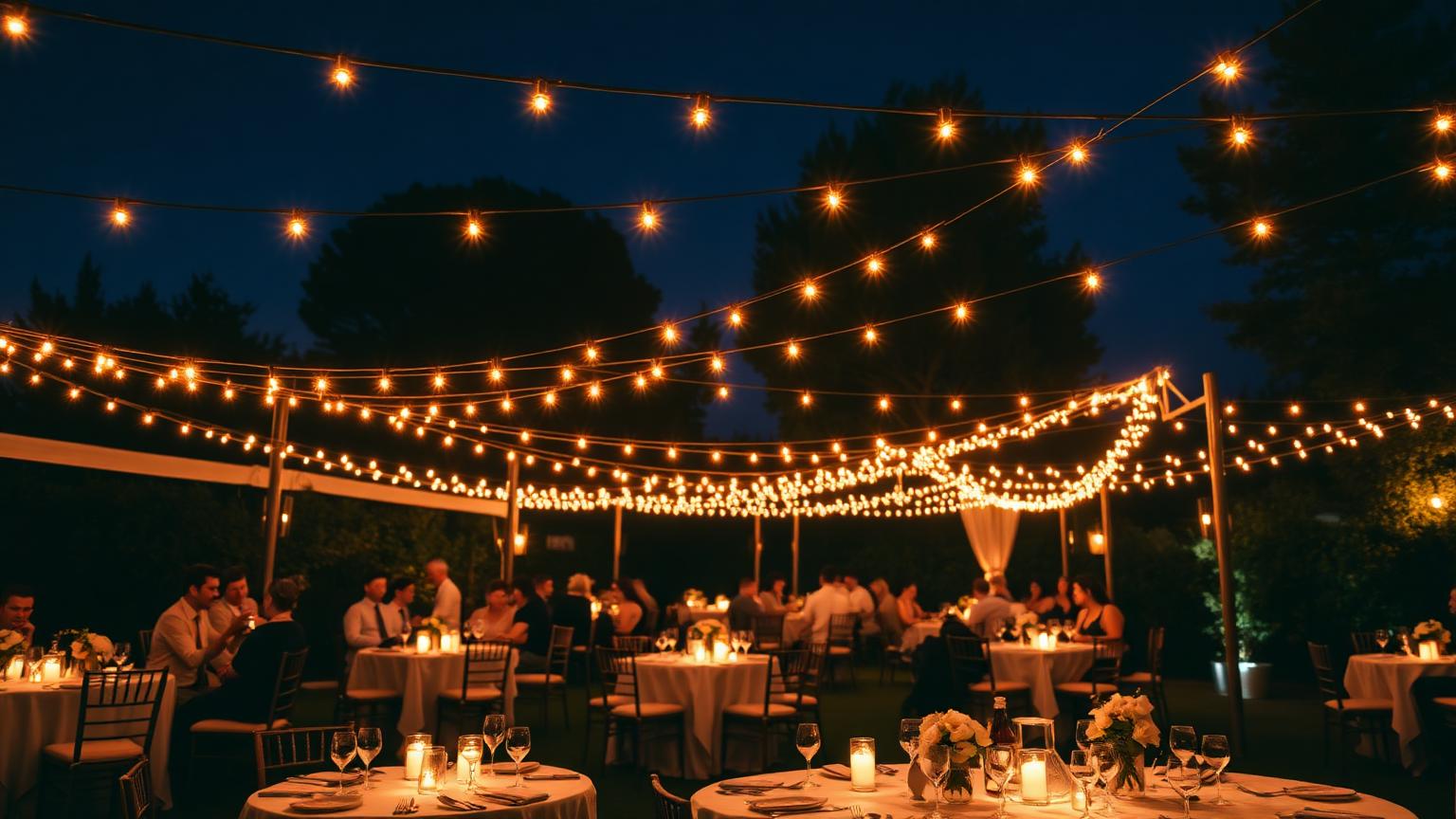
What makes event lighting actually memorable? Layering light at three heights, overhead, mid, and low, warm white color temperature throughout at 2200K to 2700K, a dimming plan so the lighting still feels right at 11pm instead of just at sunset, and hiding the source so guests see the glow, not the bulb. We design and install lighting for weddings, quinceañeras, and private events across Sacramento, and these are the same principles behind every one we've done.
Planning a wedding or event in Sacramento?
Free lighting consultation, transparent pricing, no obligation.
The right lighting can take a backyard wedding from "nice party" to "I cried when I walked in." We've lit enough weddings, quinceañeras, and private events around Sacramento, from intimate backyard ceremonies to full vineyard estates, to know it's rarely one dramatic feature that does that. It's a handful of principles, done consistently, across the whole space.
I'm Clark, I run Santa's Lights here in Sacramento, and event lighting is one of my favorite parts of this business. Here's exactly what we do on every event we light.
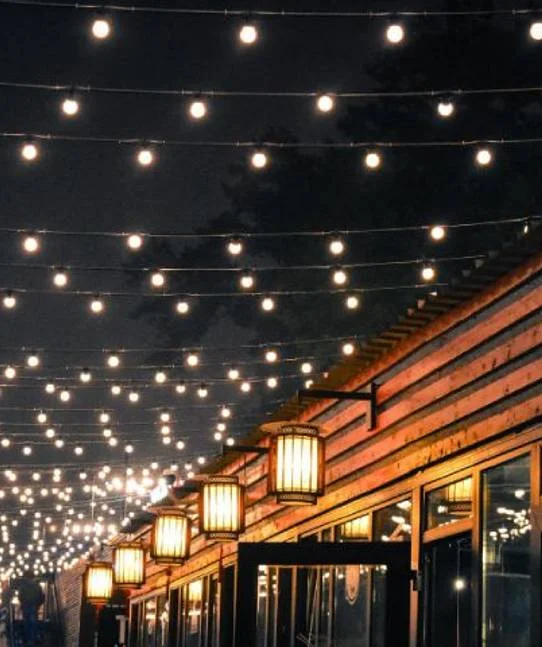
Layer Three Heights
The magic happens when guests' eyes have something to land on at three levels.
| Layer | What it looks like |
|---|---|
| Overhead | Bistro string lights criss-crossing above the dance floor |
| Mid | Uplit trees, lanterns on tables, candles |
| Low | Pathway lighting, ground-level wash on landscaping |
Skip a layer and the space still looks nice, but it reads as flat. Get all three working together and it reads as designed, the difference most guests can feel without being able to explain exactly why. It's the same reason a professionally lit room photographs so differently from one lit with a single overhead source, depth comes from having multiple points of light at different heights, not from any single fixture being especially dramatic on its own.
Warm White Only, Please
Mixed color temperatures look like a rental store threw up. Pick 2200K to 2700K and stick to it across every single fixture, string lights, uplighting, pathway lights, all of it. Skin tones come alive, photos look editorial, and even the food looks more appetizing under consistent warm light.
Same principle, different context: we cover the exact same warm-white reasoning for residential displays in our color temperature and bulb style guide. It's not just an event lighting trick, it genuinely reads better almost everywhere.
Plan the Dimming
Lighting that looks beautiful at sunset will feel harsh at 11pm. We always wire to a dimmer or scene controller so the venue, or whoever's running the event, can roll the lighting down to around 30 percent as the dancing kicks off. This is one of the most overlooked details in event lighting, and it's the difference between a space that feels romantic at 6pm and one that still feels right five hours later.
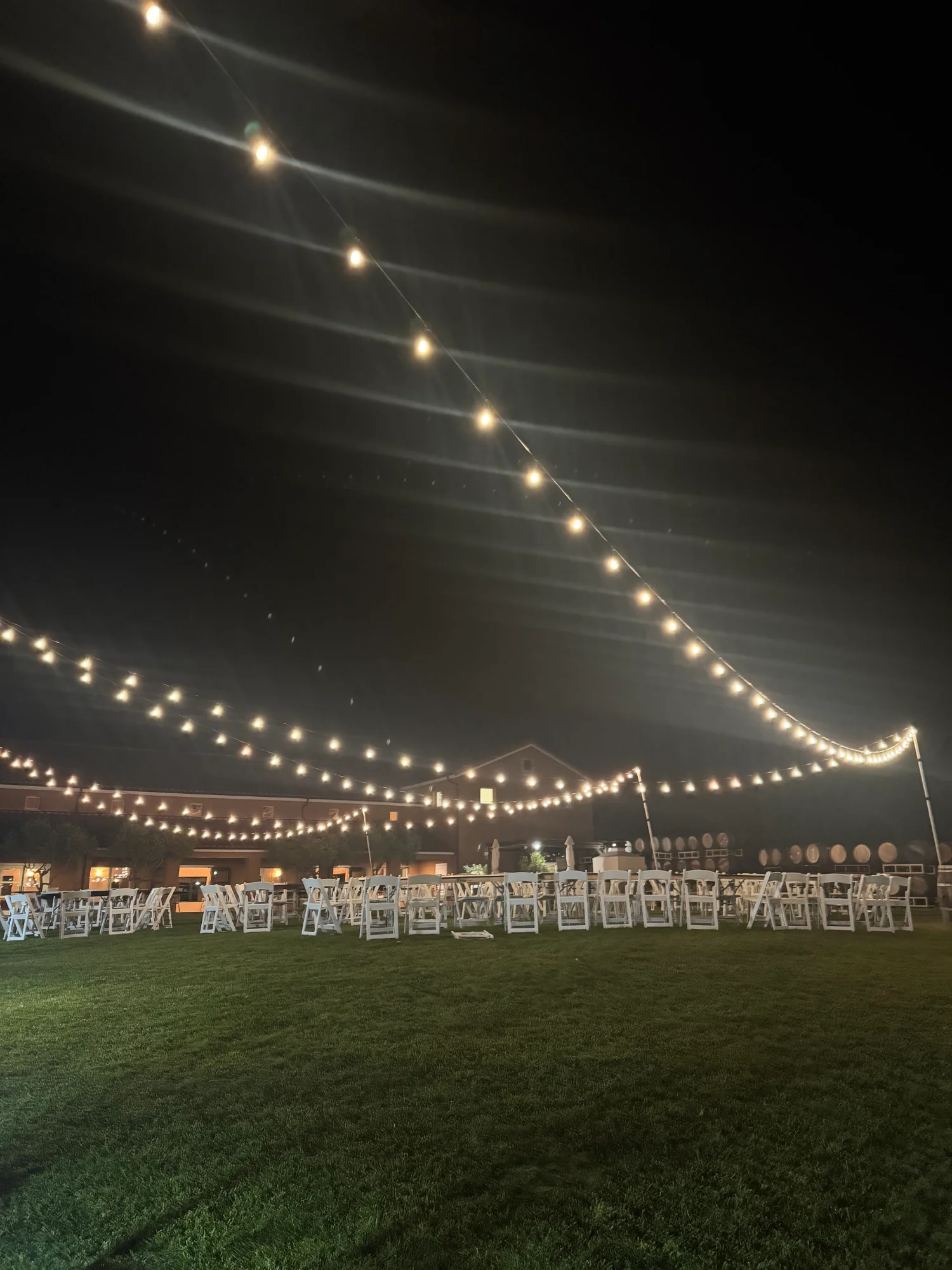
We lit a backyard wedding out in El Dorado Hills where the couple originally wanted the string lights at full brightness the entire night. We talked them into a dimmer instead, full brightness for the ceremony and cocktail hour, then rolled down as dinner wrapped up and dancing started. The photos from that gradual shift ended up being some of their favorites, the same lights, but the mood completely changed as the night went on.
Let's design the lighting for your event.
Weddings, quinceañeras, and private events across Sacramento.
Hide the Source, Show the Glow
Anywhere a bulb is visible above eye level is fine, that's part of the charm of overhead string lighting. Anywhere a bulb sits at eye level, frost it, hood it, or move it entirely. Guests should see the light itself, not the bulb producing it. This one detail is the difference between lighting that feels atmospheric and lighting that feels like a hardware store display.
This applies to uplighting just as much as string lights. An uplight aimed at a tree trunk with a visible fixture sitting at the base looks noticeably different from the same fixture tucked behind landscaping or a planter, even though the actual light on the tree is identical either way. The goal is always for the effect to feel like it's just happening, not like equipment was set up to make it happen.
"Communication was outstanding and the installation was flawless. The lights look incredible, we already booked them again for next season."
Dave Mishoe, Google Review, Sacramento HomeownerTest the Night Before
Always. Always. Always. Every fixture, every zone, every dimmer setting, tested the evening before, not the morning of. Event day has enough moving pieces without troubleshooting a dead string of lights an hour before guests arrive. This is a non-negotiable step on every event we light, no exceptions, regardless of how simple the setup looks on paper.
Does the Venue Type Change the Approach?
The five principles above stay the same, but how they get applied shifts depending on the space.
| Venue type | What we adjust |
|---|---|
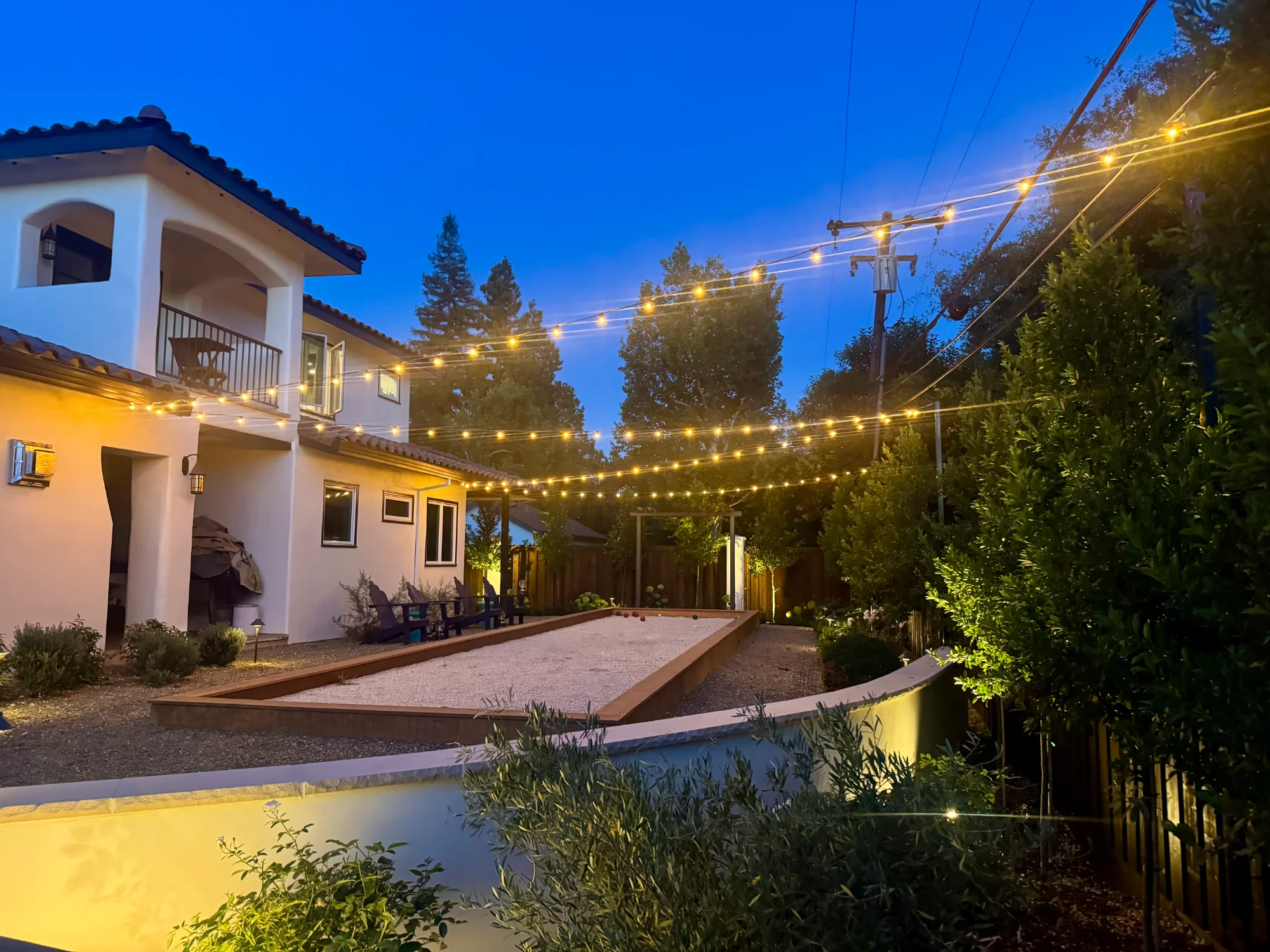
| Backyard weddings | Working around existing landscaping and power access, often more low-layer pathway lighting |
| Vineyard and estate venues | Bigger overhead spans, more emphasis on uplighting mature trees and structures |
| Quinceañeras and private parties | Often more mid-layer detail, tablescapes, lanterns, accent pieces |
| Corporate and community events | Cleaner, more restrained layering, still warm white, less overtly romantic in tone |
See examples of our past event lighting work.
Browse the gallery before you book your consultation.
FAQ: Event Lighting Design, Answered
What color temperature should I use for a wedding or event?
Stick to 2200K to 2700K warm white across every fixture. Mixed color temperatures are one of the fastest ways to make an event space look inconsistent.
Why does event lighting need to be layered at different heights?
Layering overhead, mid, and low lighting gives guests' eyes multiple points to land on, which reads as intentionally designed rather than flat or one-dimensional.
Do I need a dimmer for event lighting?
Yes, strongly recommended. Lighting that looks perfect at sunset often feels too harsh later in the night, and a dimmer lets the mood shift naturally as the event progresses.
Why does it matter if a bulb is visible at eye level?
Visible bulbs at eye level break the atmosphere and make the lighting feel like fixtures rather than ambiance. Frosting, hooding, or repositioning keeps the focus on the glow instead.
Do you actually test everything before the event?
Yes, every time, the night before, not the morning of. It's one of the most important steps for avoiding last minute problems on the actual event day.
Does event lighting design change based on the venue?
The core principles stay the same, but a backyard wedding, a vineyard estate, a quinceañera, and a corporate event each shift the emphasis toward different layers and levels of detail.
Good event lighting isn't about one big dramatic moment. It's a handful of quiet decisions, consistent temperature, layered heights, a dimming plan, hidden sources, done right, that add up to a space people remember without quite knowing why. That's the whole job.
Clark, Santa's Lights
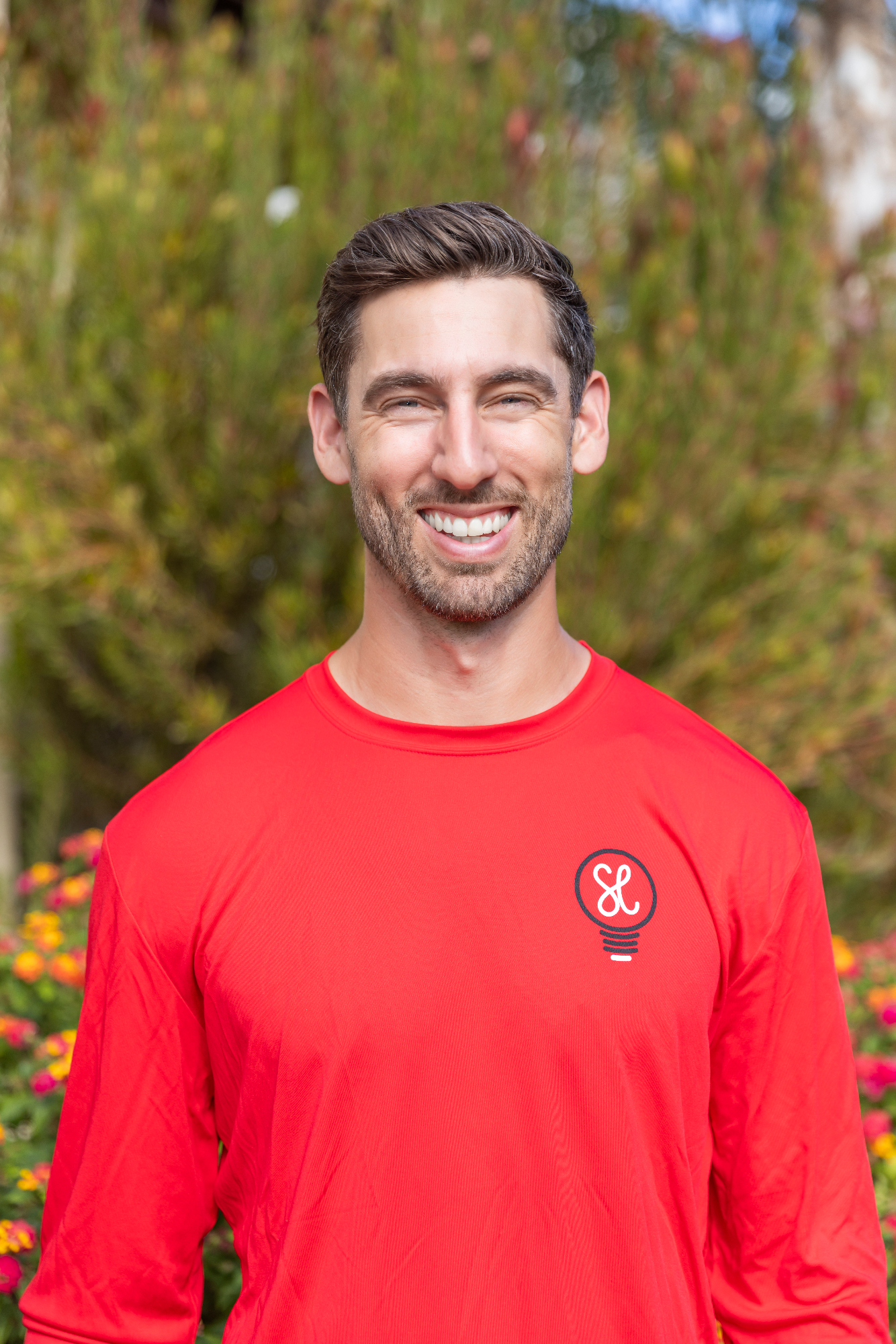
Clark started Santa's Lights back in 2014 with a ladder, a truck, and way too much confidence in his own knot tying. Since then he's lit up thousands of homes across Sacramento, Folsom, Roseville, and beyond, and he still shows up to jobs himself often enough to know exactly what he's talking about. When he's not on a roofline, he's probably answering your call directly, because that's still how this business works.