

Maintenance Tips: How to Keep Your Christmas Lights Brilliant in Sacramento
A good display doesn't stay good by accident. Here's what actually goes into keeping lights working well year after year, storage, testing, and knowing when to finally replace a strand.
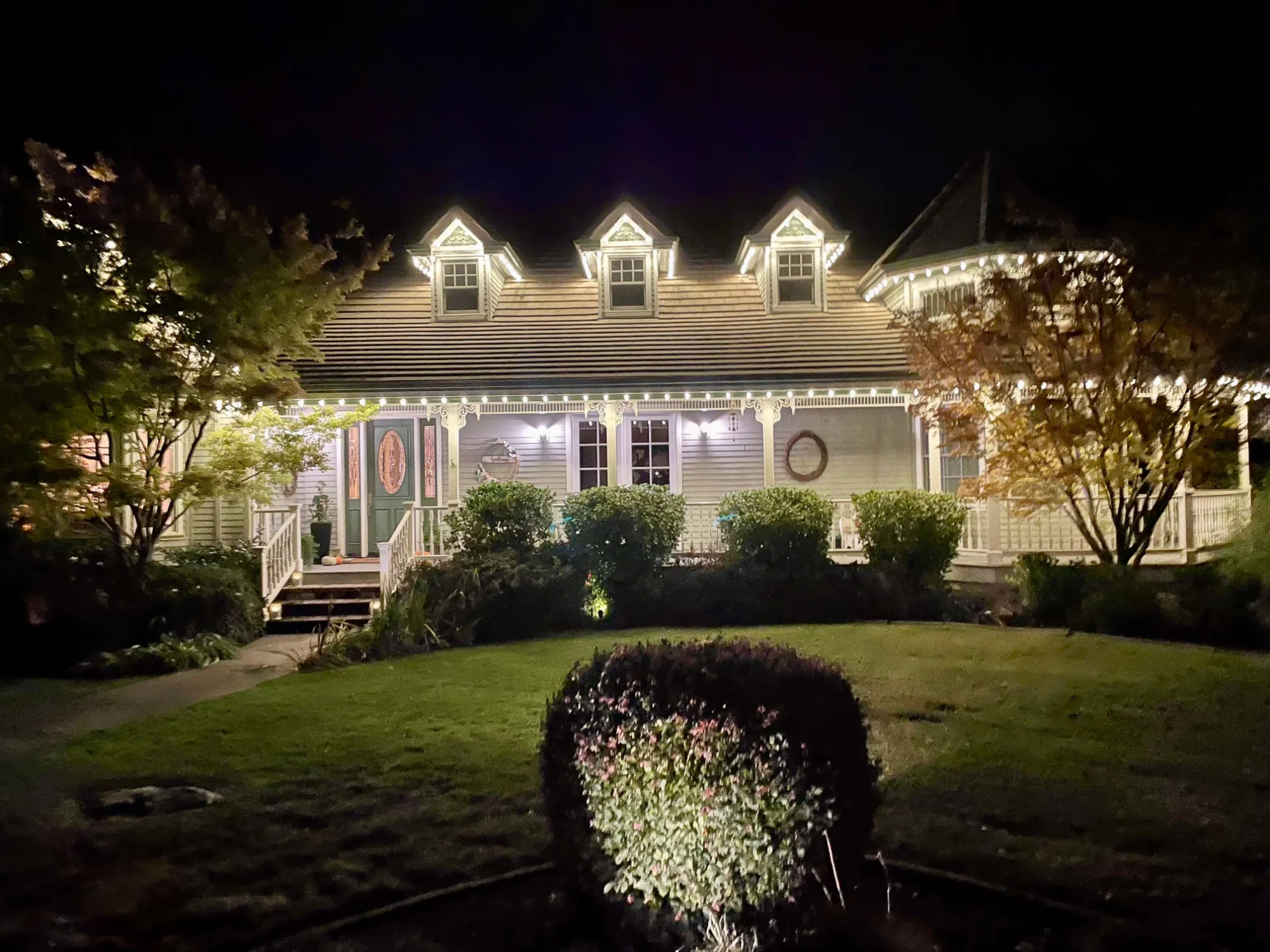
How do you keep Christmas lights working well and looking brilliant? Store them properly out of extreme heat, inspect every strand before reinstalling, avoid overloading circuits, replace anything showing wear rather than patching it, and clean bulbs and fixtures occasionally so dust and grime don't dull the brightness. For permanent lighting, occasional cleaning and keeping the app updated covers most of it, since the system is designed for constant use. If all of this sounds like a lot to manage yourself, it's exactly why maintenance is included as part of our service, you never have to think about any of it.
Skip all of this. Maintenance is already included.
Free design consultation, transparent pricing, no obligation.
A good display doesn't stay good by accident. Whether you're maintaining your own lights or just curious what actually goes into keeping a display looking sharp year after year, there's more to it than plugging things in and hoping for the best. Here's what actually matters.
I'm Clark, I run Santa's Lights here in Sacramento, and this is the part of the job that happens quietly, mostly between seasons, that most homeowners never think about.
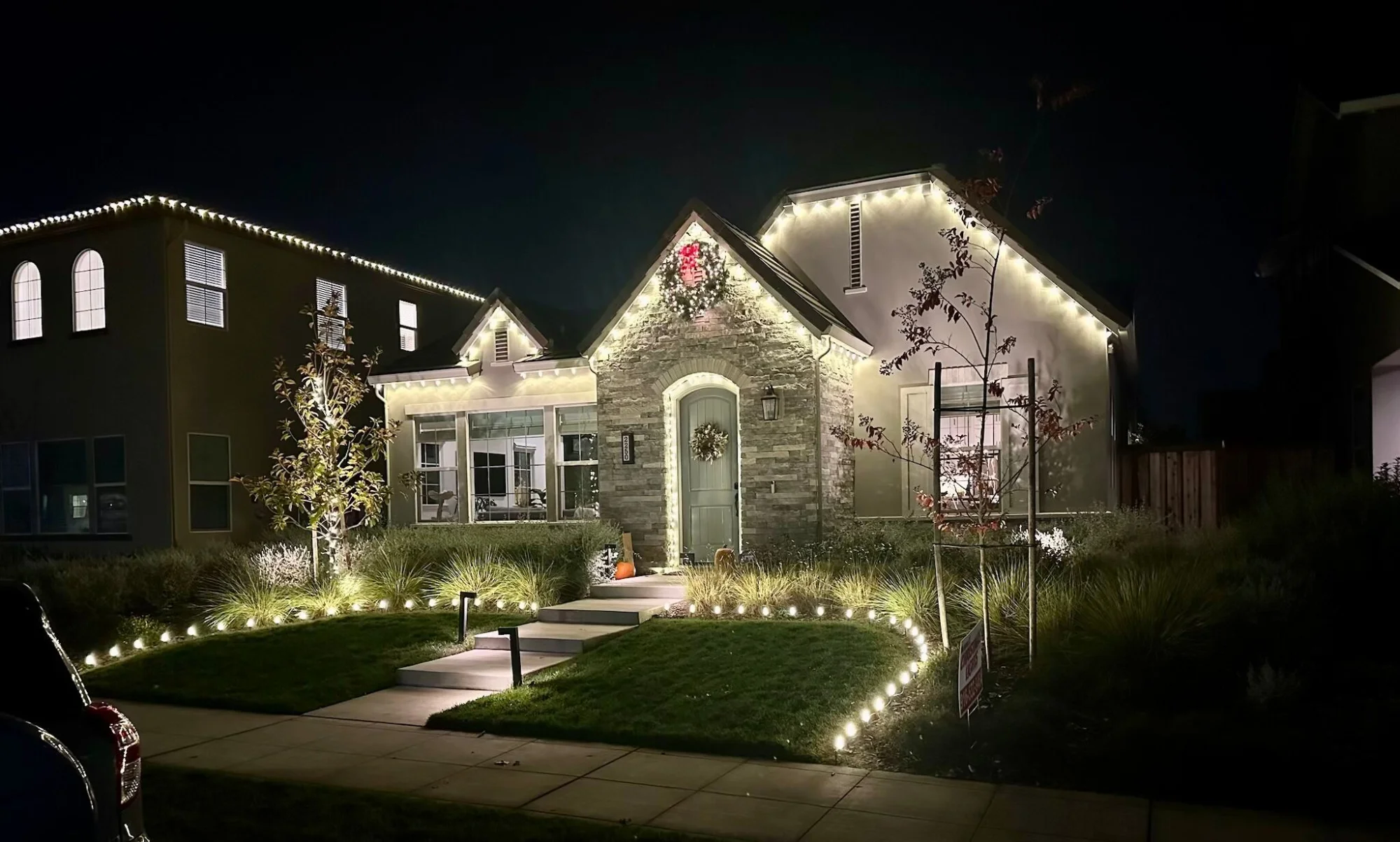
Why Do Christmas Lights Actually Fail?
It's rarely one single cause. Most failures are the result of small stresses that add up over multiple seasons, heat, moisture, handling, and time all working against the same strand of lights year after year.
- Heat cycling in storage. Sacramento garages and attics regularly hit well over 100 degrees in summer, which is genuinely hard on plastic housings and wiring insulation.
- Moisture over time. Even outdoor-rated lights can develop issues if connections aren't properly sealed or protected.
- Age. Cheaper strands simply wear out faster, especially with repeated seasonal use.
- Physical damage. Cracked bulbs, pinched wires, and loose connections from handling during install and takedown add up over the years.
How Should Lights Actually Be Stored Between Seasons?
This is where a lot of the damage that shows up next November actually happens, quietly, over the summer.
| Do | Avoid |
|---|---|
| Store in a cool, dry, shaded space if possible | A hot, unventilated garage or attic all summer |
| Wrap strands loosely around a reel or spool | Tightly wound balls that stress the wiring |
| Store in a sealed bin, off the ground | A cardboard box exposed to moisture or pests |
| Label or test before the season starts | Waiting until install day to find out what's dead |
Worth knowing: this is exactly why our lights remain our property and get stored by us between seasons, proper storage conditions are hard to guarantee in a typical Sacramento garage.
What Should You Check Before Reinstalling Each Season?
- Test every strand before it goes up. Plug everything in on the ground first, not after it's already on a ladder.
- Look for cracked bulbs or exposed wire. Anything showing physical damage should be replaced, not just avoided.
- Check connectors for corrosion. A little green or white buildup on metal connectors is a sign moisture got in.
- Confirm outdoor rated equipment is still rated for the job. Weatherproofing on cheaper products degrades faster than the lights themselves sometimes.
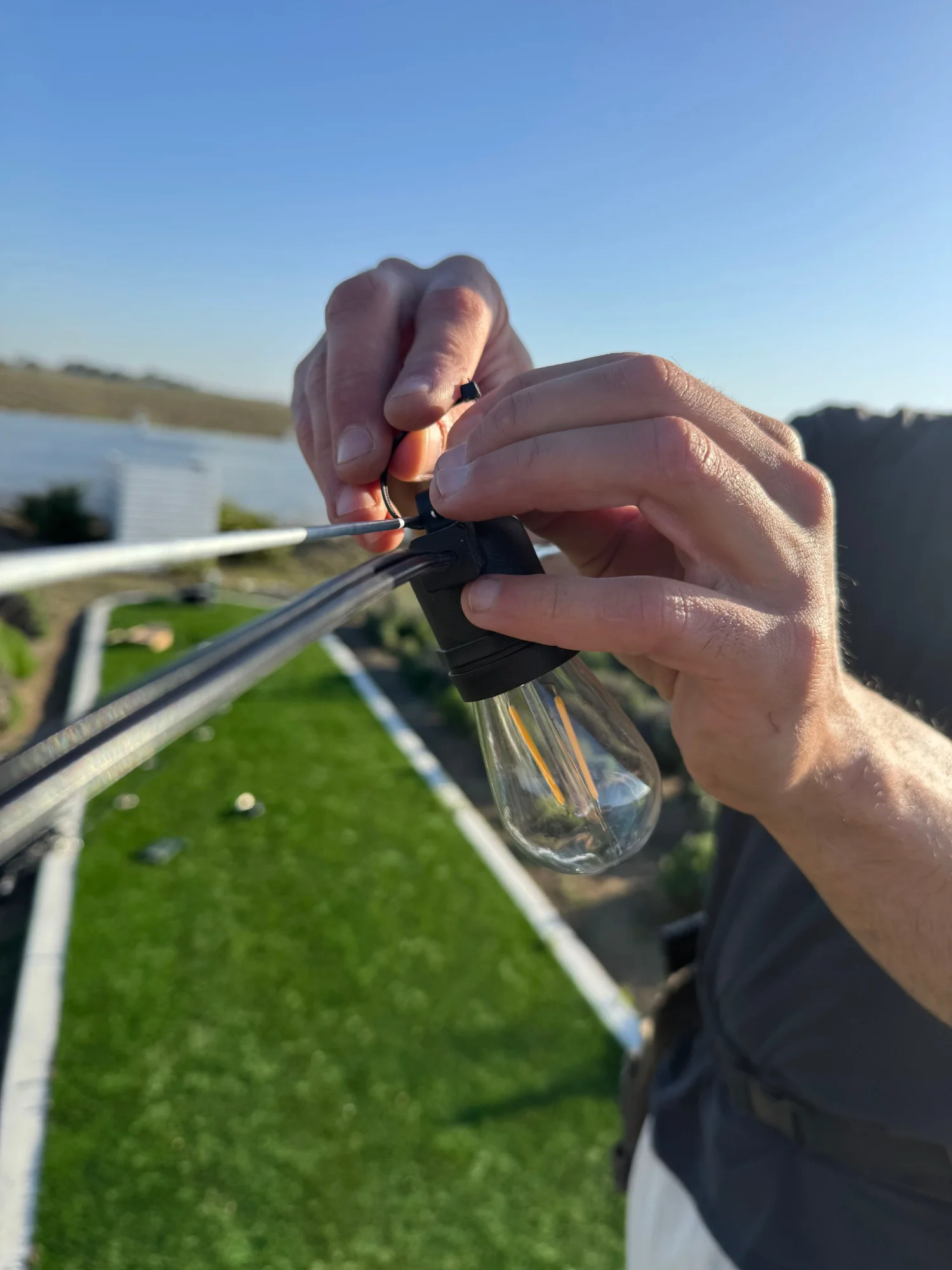
Before any set of lights goes back on a roofline for us, every single strand gets tested on the ground first. It sounds simple, but it's the single biggest reason our customers never end up with a dead section discovered halfway through install day. Most DIY problems we get called about trace straight back to someone skipping this exact step.
Never test a single bulb yourself again.
We inspect, maintain, and replace everything before it goes up.
Does Permanent Lighting Need Maintenance Too?
Less than you'd think, but not zero. Since permanent lighting stays outdoors year round, occasional cleaning helps keep brightness consistent, dust and pollen buildup can dull the look over time, especially during Sacramento's dry summer months. Keeping the control app updated also matters, since firmware updates occasionally improve reliability and add new scene options. Beyond that, the individually addressable design means any bulb issue tends to stay isolated rather than becoming a bigger problem.

How Often Should You Actually Clean Lights and Fixtures?
For permanent systems, once or twice a year is usually enough, a simple rinse or wipe down to clear dust, pollen, and cobwebs that build up over months of Sacramento's dry season. For seasonal displays, cleaning mostly happens during the pre-install check, since the lights spend most of the year in storage rather than outdoors collecting grime. A quick visual check for spiders or debris in connectors before plugging anything in is a small habit that prevents bigger problems later.
"Great experience year after year. If anything comes loose, Clark comes right away to fix it, and he schedules takedown way ahead of time, which is so convenient."
Kelley Kalin, Google Review, Sacramento HomeownerWhen Should You Repair vs. Replace?
A single dead bulb on a modern, individually addressable system is usually a quick fix, not a reason to replace the whole strand. Older style strands where one bulb can take out a whole section are a different story, at that point, replacement is often more practical than chasing down which specific bulb caused the problem. If you're finding yourself replacing entire strands more than once every few years, that's usually a sign the underlying product quality was the real issue from the start, not bad luck or normal wear.
The same logic applies at a bigger scale too. If an entire display is starting to look inconsistent, some sections bright, others dim or slightly different in color, that's often a sign it's time for a full refresh rather than another round of patchwork repairs.
Tired of managing all this yourself?
Let us handle design, install, and maintenance, start to finish.
FAQ: Christmas Light Maintenance, Answered
Why do Christmas lights stop working after a season or two?
Usually a combination of heat damage from summer storage, moisture over time, physical wear from handling, and simply lower quality materials in cheaper strands.
What's the best way to store Christmas lights?
In a cool, dry space, wrapped loosely rather than balled up tightly, stored in a sealed bin off the ground rather than a cardboard box.
Should I test my lights before putting them up each year?
Yes, always. Testing on the ground before installation catches problems early instead of discovering a dead section already up on the roofline.
Does permanent lighting require regular maintenance?
Less than seasonal lights, but occasional cleaning and keeping the control app updated help maintain brightness and reliability over time.
How often should permanent lighting be cleaned?
Once or twice a year is usually enough, a simple rinse or wipe down to clear dust and pollen that builds up during Sacramento's dry season.
When should I replace lights instead of repairing them?
If you're replacing entire strands more than once every few years, that usually points to underlying product quality rather than bad luck, and it may be time to upgrade rather than keep patching.
Most of what keeps a display looking sharp year after year happens quietly, in storage, in testing, in noticing small problems before they become bigger ones. It's not glamorous work, but it's most of the actual job.
Clark, Santa's Lights

Clark started Santa's Lights back in 2014 with a ladder, a truck, and way too much confidence in his own knot tying. Since then he's lit up thousands of homes across Sacramento, Folsom, Roseville, and beyond, and he still shows up to jobs himself often enough to know exactly what he's talking about. When he's not on a roofline, he's probably answering your call directly, because that's still how this business works.