
LED vs. Incandescent Christmas Lights in Sacramento: Which Is Better?
Every year someone asks me the same thing on a roofline: does LED actually matter that much? Here's the Sacramento comparison, energy costs, lifespan, safety, and the one place incandescent still wins.
What's the difference between LED and incandescent Christmas lights? LED lights use about 70 to 90 percent less energy, run far cooler, and last up to 25 times longer than incandescent bulbs. Incandescent lights give off a warmer, more traditional glow that some homeowners still prefer, but they run hotter, burn out faster, and cost noticeably more to operate over a season. For Sacramento area homes, where summer storage temperatures and higher than average electricity rates both come into play, LED is almost always the more practical choice for roofline, tree, and permanent installations across Sacramento, Roseville, Folsom, Elk Grove, Rocklin, Granite Bay, El Dorado Hills, and Citrus Heights.
Already sold on LED and want it done right?
Free design consultation, transparent pricing, no obligation.
Every single year, somebody asks me the same question while we're walking their roofline, whether that's a two story in Land Park, a big place out in Granite Bay, or a starter home in Elk Grove. "Does it actually matter if we go LED or stick with the old ones?" And every single year I give them the same honest answer: yes, it matters more than almost anything else about the display, and no, it's not really close.
I'm Clark, I run Santa's Lights, and we install both types across the whole greater Sacramento area, Sacramento proper, Roseville, Folsom, Rocklin, Elk Grove, Citrus Heights, Carmichael, El Dorado Hills, and Granite Bay. Here's the real difference, not the marketing version, and a few things that are specific to living here rather than somewhere with actual winters.
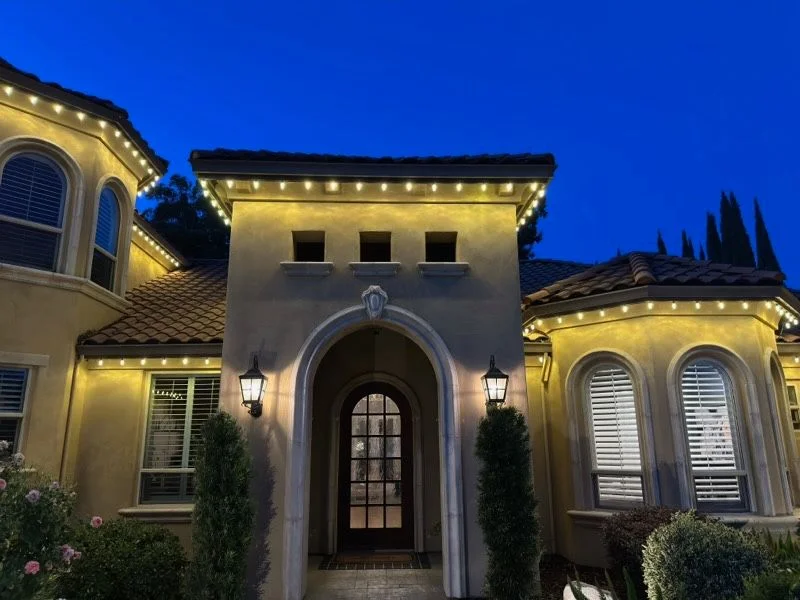
Why Does the LED vs. Incandescent Difference Actually Matter?
It comes down to how each bulb makes light. Incandescent bulbs heat a small filament until it glows, which is a genuinely old piece of technology and genuinely inefficient, most of the energy goes to heat, not light. LEDs push current through a semiconductor and produce light directly, with very little heat as a byproduct. That one difference is where almost every other advantage comes from, and it's also why LEDs hold up so much better once they've spent a Sacramento summer baking in a garage or attic between seasons.
How Much Energy Do LED vs. Incandescent Christmas Lights Actually Use?
This is where the gap is the widest. According to the U.S. Department of Energy, LED string lights use about 70 percent less energy than incandescent strands, and the cost difference shows up fast once you're running a full display for weeks at a time.
| Incandescent | LED | |
|---|---|---|
| Typical wattage (100 count string) | About 40 watts | About 5 to 7 watts |
| Cost to light a small tree, 12 hrs/day for 40 days | Around $10 | Around 27 cents |
| Strings you can safely link together | 3 to 5 | Up to 20 or more |
Why this matters for bigger displays: the fewer strings you can safely chain together, the more outlets and extension cords a full roofline needs. LED's lower draw means fewer circuits, less cord clutter, and less risk of tripping a breaker mid-December, whether that's a compact townhome in Rocklin or a sprawling roofline in Granite Bay.
Does Sacramento's Climate and Electricity Rates Change the Math?
Yes, in two specific ways that are worth knowing if you live here rather than somewhere with milder summers or cheaper power.
Storage heat is harder on bulbs here than in most places
Attics and garages across the Sacramento Valley regularly hit well over 120 degrees in July and August, whether that's a home in Elk Grove, Folsom, or Citrus Heights. Incandescent filaments and the plastic housings around them degrade faster under repeated heat cycling. LEDs handle that heat stress considerably better, which matters more here than it would somewhere that never sees a hot attic in the first place.
California electricity rates are on the higher end
We've written before about how much outdoor Christmas lights actually add to your energy bill, and the short version is that California rates typically run 25 to 40 cents per kilowatt hour, noticeably higher than the national average. That means the dollar gap between LED and incandescent is actually wider for a home in Sacramento or Roseville than it would be for the same display somewhere with cheaper power.
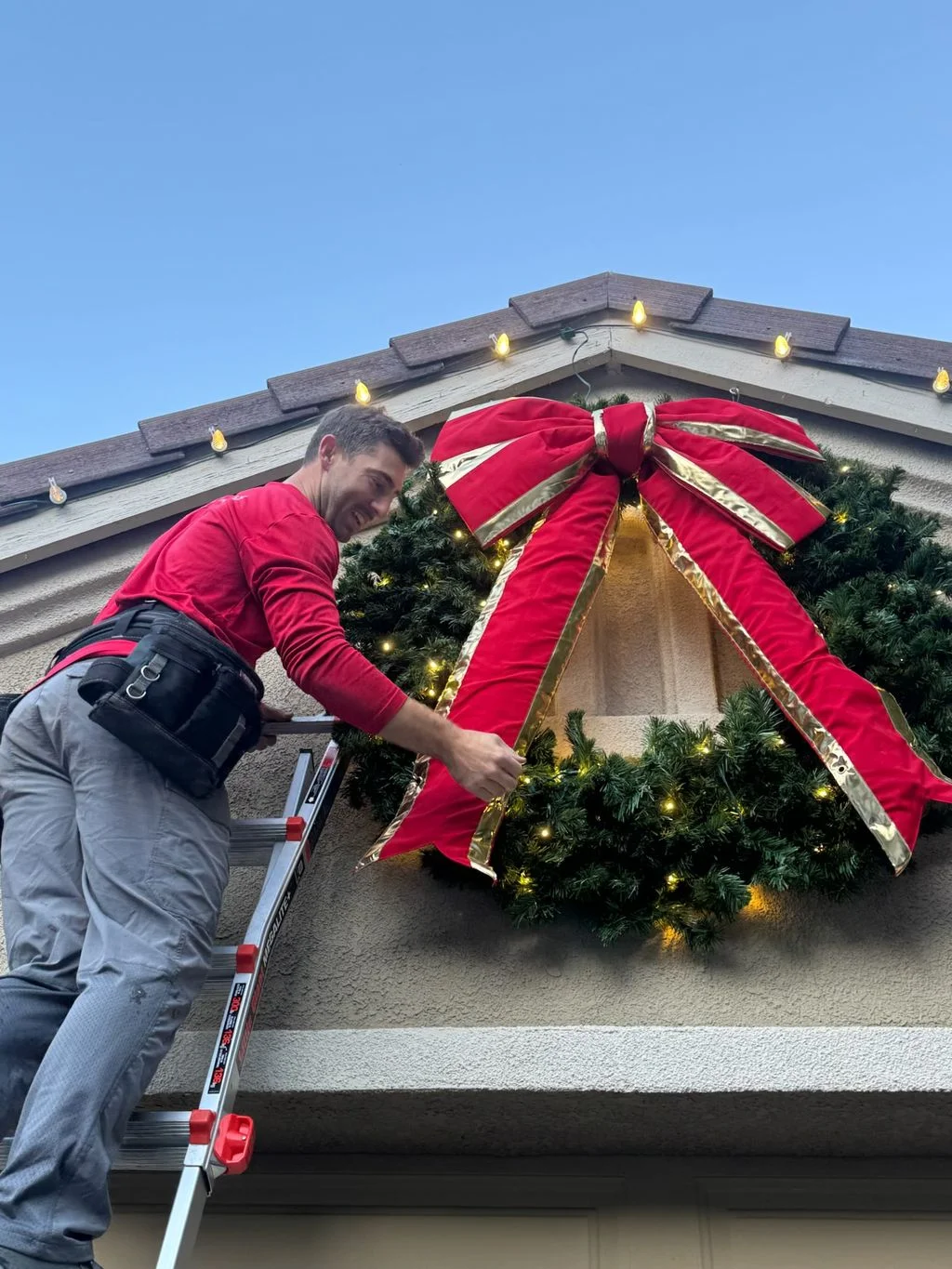
We had a customer in Carmichael who'd been buying replacement incandescent strings every single January for years, half the bulbs would be dead or dim by the time takedown rolled around, probably not helped by a garage that sits in full sun most of the summer. We swapped her whole display to LED two years ago. Same layout, same look from the street. She hasn't bought a single replacement string since, and her display actually looks brighter and more even than it did before.
Which Lasts Longer, LED or Incandescent Christmas Lights?
Incandescent bulbs are a genuinely short lived technology, especially outdoors. Most rated life sits around 1,000 to 3,000 hours. LEDs are typically rated between 25,000 and 100,000 hours depending on quality, which for a seasonal display can mean well over a decade before you're thinking about replacement, even accounting for a Sacramento area storage situation that isn't always kind to electronics.
Ready to make the switch to LED?
We install, maintain, and store everything, so you never touch a bulb.
Which Is Safer, LED or Incandescent Christmas Lights?
This one isn't close either. Incandescent bulbs run hot enough that they can be uncomfortable to touch after a few hours on, which matters if lights are anywhere near dry branches, mulch, or synthetic garland. LEDs run cool enough to touch safely almost immediately, which is a meaningful safety difference for any display running unattended overnight, and an even bigger one during a dry Sacramento winter with little rain to keep landscaping from drying out.
- Lower fire risk. Less heat generated means less risk near dry materials, which matters through a Sacramento Valley dry season that often stretches well into December.
- Safer for overnight or multi hour displays. LEDs are the better call for anything left on for long stretches.
- Less electrical stress. Lower power draw means less strain on circuits, outlets, and extension cords.
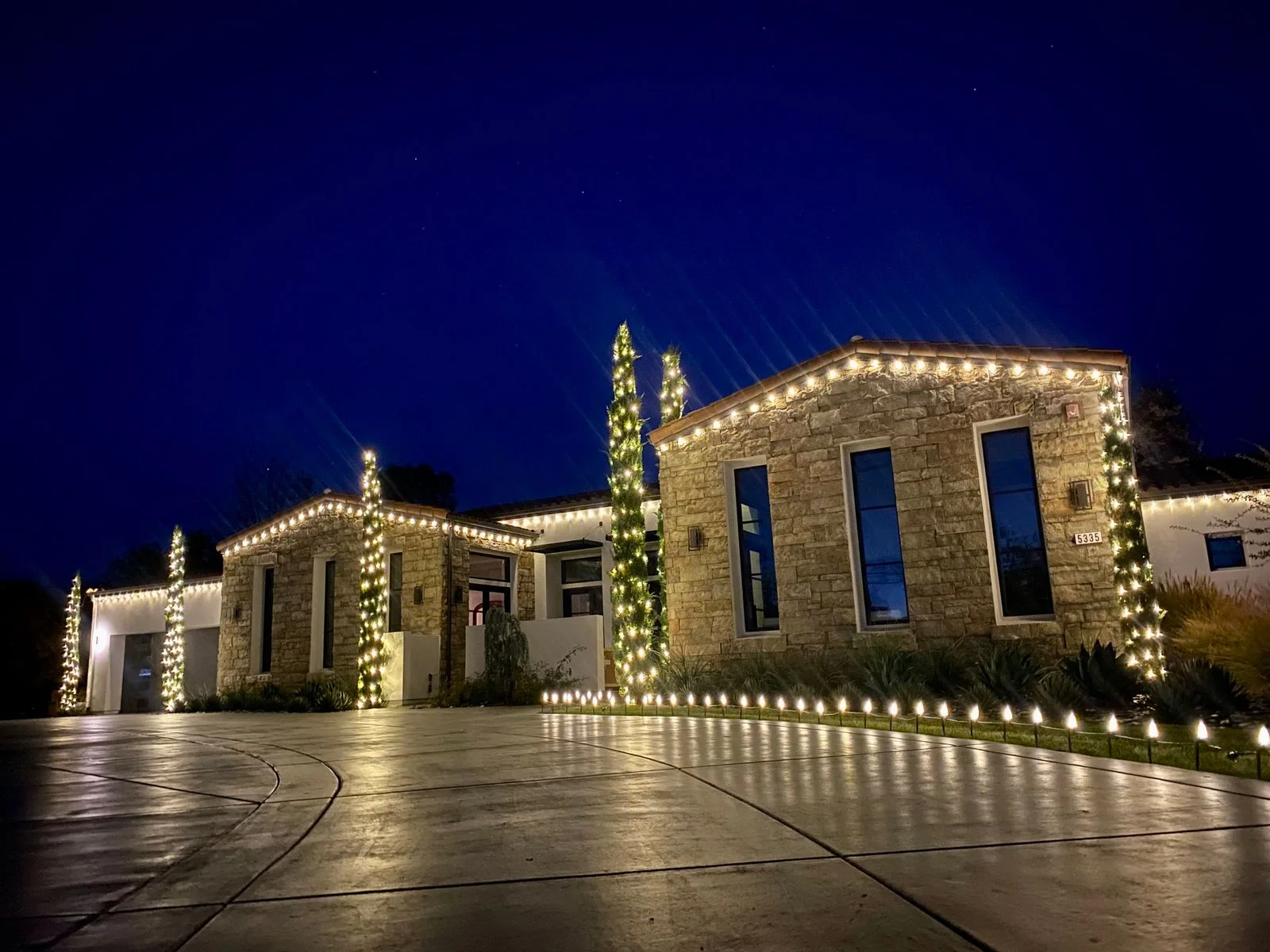
Do LED Christmas Lights Look as Good as Incandescent?
Here's where I'll actually give incandescent some credit, because I don't think the honest answer is "LEDs win at everything." Incandescent bulbs give off a warm, slightly amber, classic glow that some homeowners genuinely prefer, especially for a nostalgic, old fashioned look. Early LEDs earned a bad reputation for looking a little cold or harsh, almost blue tinted. Modern warm white LEDs have mostly closed that gap, but if you compare them side by side up close, some people can still tell the difference.
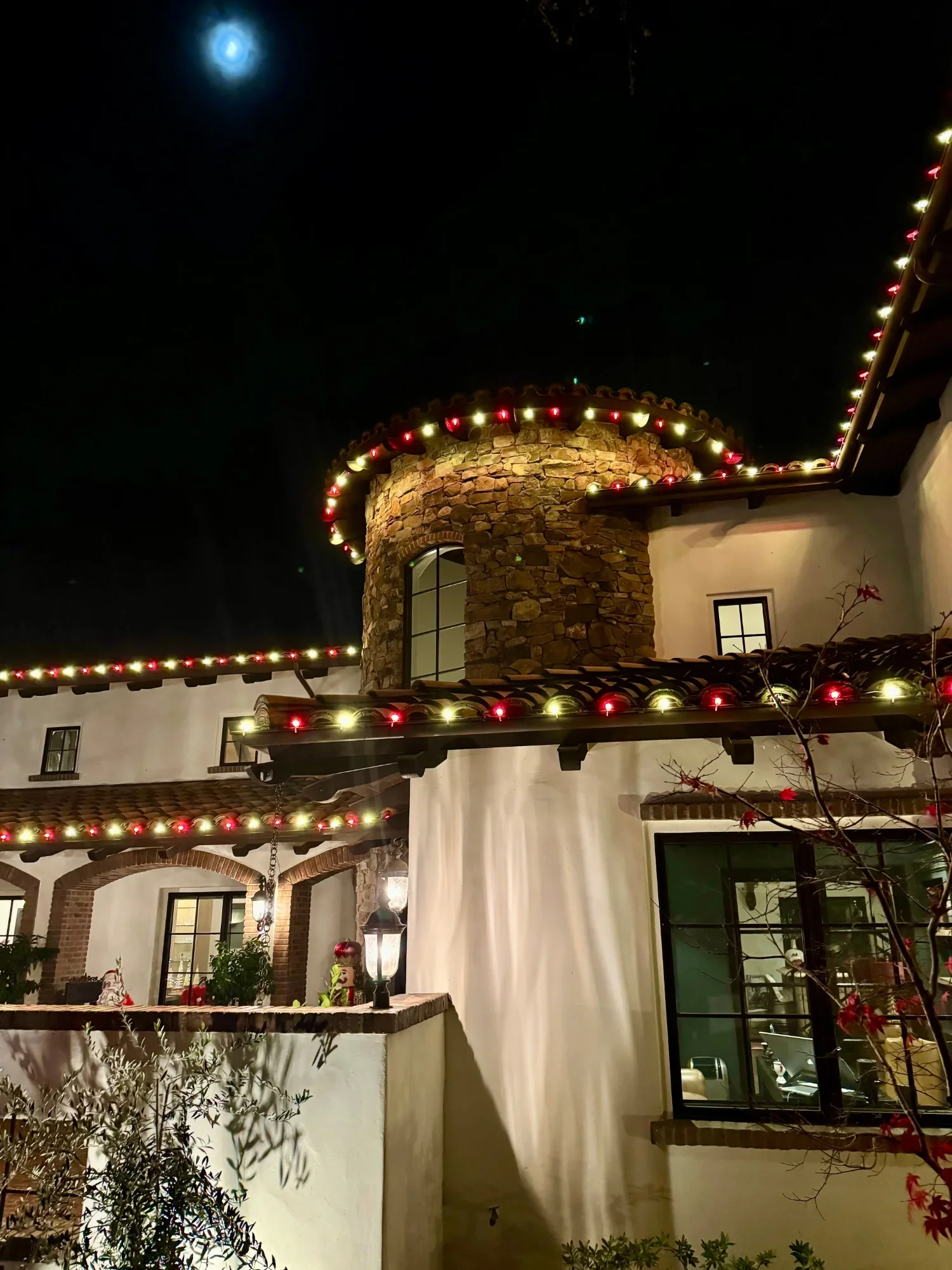
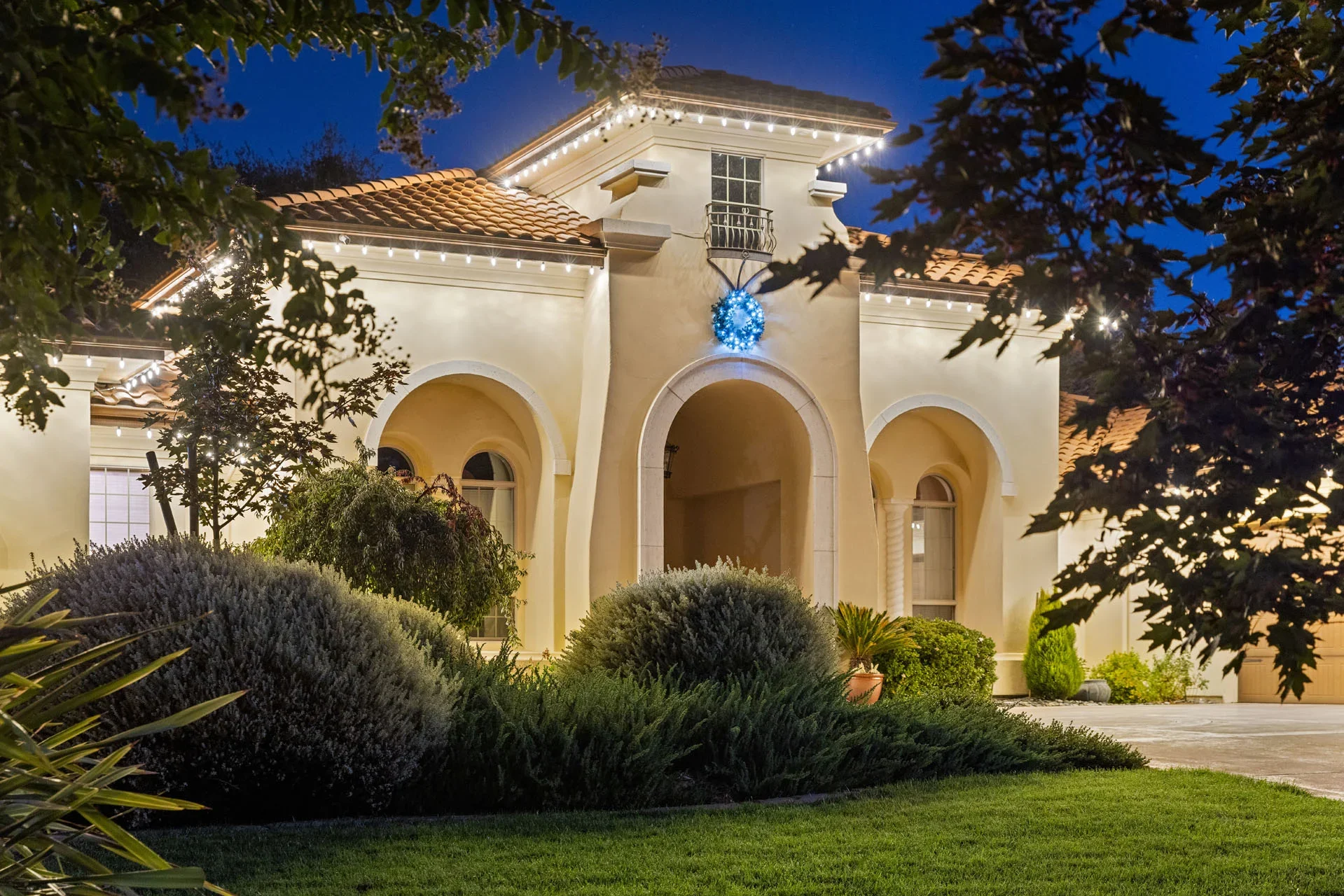
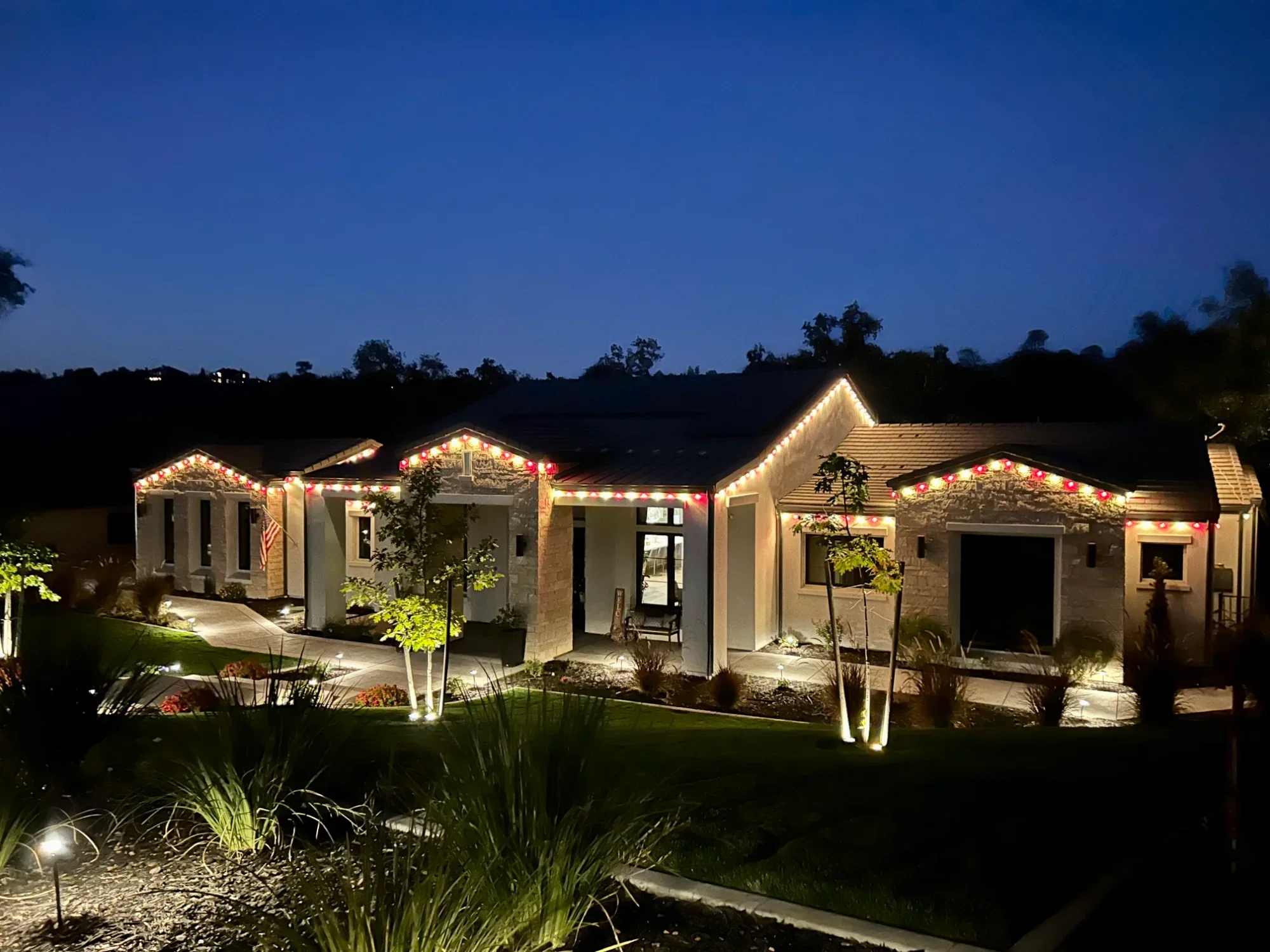
For roofline and large scale displays, from a starter home in Citrus Heights to an estate in El Dorado Hills, most homeowners find the difference basically invisible from the street. For an indoor tree you're standing three feet from every night, it's more of a personal preference call.
"The lights look incredible, so much brighter and cleaner than what we had before. We already booked them again for next season."
Dave Mishoe, Google Review, Sacramento HomeownerDoes the Type of Light Style Change the Answer?
Mostly no, but there are a few practical differences worth knowing depending on what you're actually lighting up.
- Mini lights (roofline and bush wrapping). LED wins clearly here. Lower profile, cooler running, and the ability to chain far more strings together matters most on a full roofline.
- C9 bulbs (classic bold look). Both are available in LED now, and LED C9s have gotten good enough that most people can't tell from the street, while using a fraction of the power of old school incandescent C9s.
- Icicle lights. These run for hours every night and often hang near gutters and eaves, exactly where LED's lower heat output matters most for safety.
- Net lights (bushes and shrubs). LED again, mostly because of how many net light sections people tend to link together across a full front yard.
Want to see it on your own home first?
Try our AI Visualizer and preview your LED display before you book anything.
Which Sacramento Area Neighborhoods Are Switching to LED Fastest?
We see this play out a little differently depending on the neighborhood, mostly tied to home size and how long people have been in their house.
| Area | What we're seeing |
|---|---|
| Roseville & Rocklin | Newer builds, mostly already LED from the last owner or builder default. |
| Folsom & El Dorado Hills | Larger rooflines, strong demand for permanent lighting, which is LED only anyway. |
| Land Park & East Sacramento | Older homes, more mixed, some still running inherited incandescent sets from years back. |
| Elk Grove & Citrus Heights | Growing fast, a lot of first time full displays going straight to LED from the start. |
| Carmichael & Granite Bay | Mature trees and bigger properties, LED's ability to chain more strings together matters most here. |
Which Should You Choose for Your Sacramento Area Home?
For anything beyond a single small indoor tree, LED is the practical choice almost everywhere we work, lower cost to run, safer, and it'll survive a lot more Sacramento summers sitting in storage between seasons than an old box of incandescent bulbs ever will. We use LED for every project here, roofline, trees, permanent lighting, all of it, whether that's a townhome in Rocklin or a five acre property out past Granite Bay. Incandescent still has a place for people chasing a very specific nostalgic look on a small scale, but for a full home display anywhere in the Sacramento area, the math and the safety case both point the same direction.
FAQ: LED vs. Incandescent, Answered
Are LED Christmas lights actually cheaper to run in Sacramento?
Yes, and the gap is a bit wider here than the national average, since California electricity rates typically run 25 to 40 cents per kilowatt hour compared to a national average closer to 17 cents.
Do LED lights get hot like incandescent bulbs?
No. LEDs run cool enough to touch safely, while incandescent bulbs can get hot enough to be uncomfortable after a few hours running.
How much longer do LED lights last than incandescent?
LEDs are typically rated for 25,000 to 100,000 hours, compared to roughly 1,000 to 3,000 hours for incandescent bulbs, which can mean a decade or more of use before replacement.
Does Sacramento's summer heat affect stored Christmas lights?
Yes. Attics and garages across the Sacramento Valley regularly hit over 120 degrees in summer, and that heat cycling is harder on incandescent bulbs and their housings than it is on LEDs.
Do LED Christmas lights look as warm as incandescent?
Modern warm white LEDs get very close. Some people can still spot a difference up close, but from the street on a roofline display, most homeowners can't tell the two apart.
Does the type of lights, like icicle or net lights, change the LED vs incandescent decision?
Not really. LED is the better call across mini lights, C9 bulbs, icicle lights, and net lights, mainly because of lower heat and the ability to chain more strings together safely.
Should I use LED or incandescent for permanent lighting?
LED, without question. Permanent systems stay outdoors year round, and LED's lower heat output and much longer lifespan make it the only practical option for a system meant to last a decade or more, whether that's in Sacramento, Folsom, or anywhere in between.
If you take one thing from all this: LED isn't just a trend, it's the more practical choice for almost every real display we install, from a small place in Citrus Heights to a big property out in Granite Bay. The warm glow argument for incandescent is real, but it's a small tradeoff against a much bigger list of reasons to go LED, especially in a climate like ours. That's why it's the only thing we put on a roofline anymore.
Clark, Santa's Lights

Clark started Santa's Lights back in 2014 with a ladder, a truck, and way too much confidence in his own knot tying. Since then he's lit up thousands of homes across Sacramento, Folsom, Roseville, and beyond, and he still shows up to jobs himself often enough to know exactly what he's talking about. When he's not on a roofline, he's probably answering your call directly, because that's still how this business works.