Do Permanent Christmas Lights Damage Your Sacramento Roof, Stucco or Siding?
Worried permanent lights will harm your roof, stucco or warranty? A Sacramento installer explains what causes damage and what to ask first.
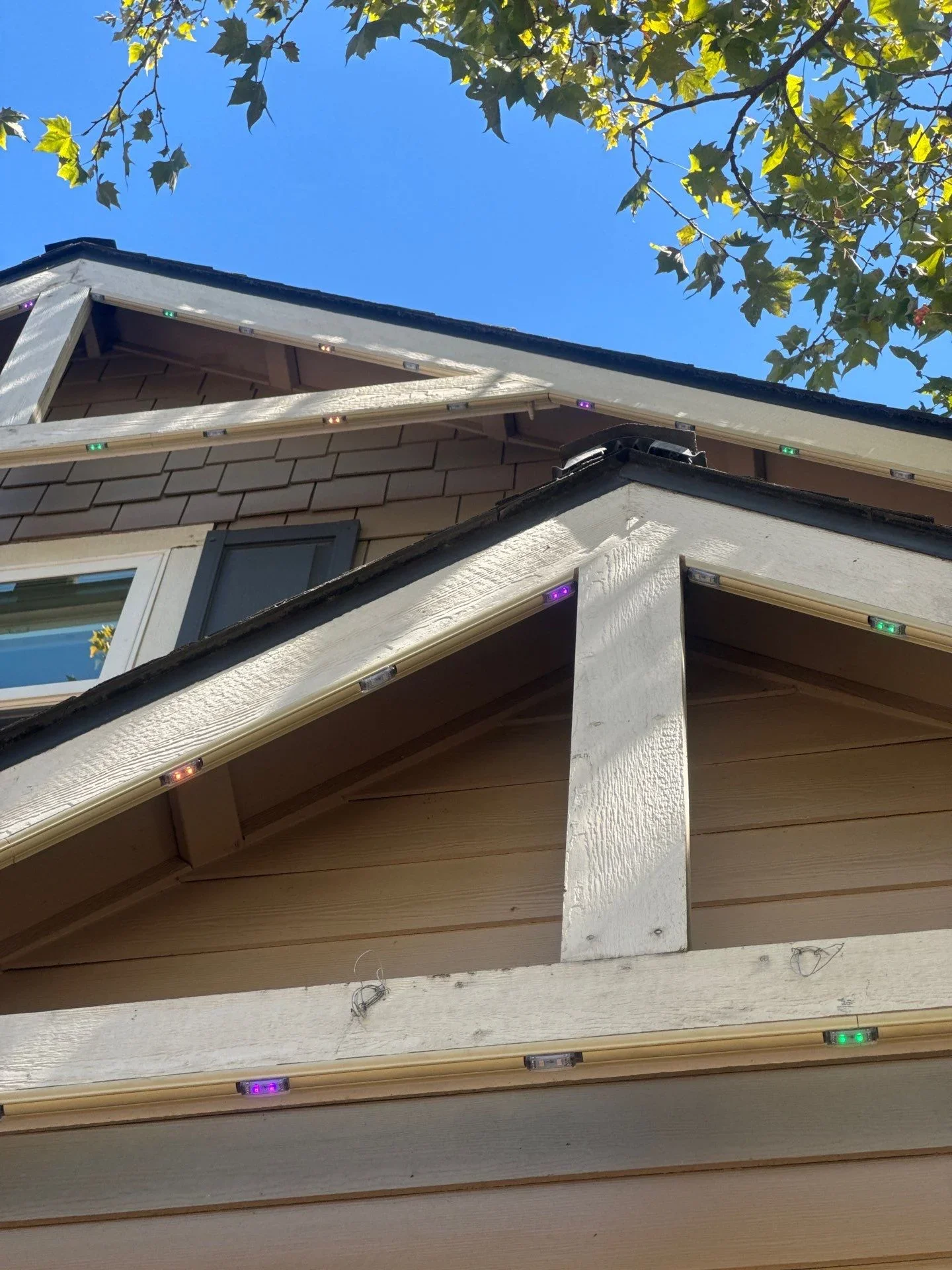
Do permanent Christmas lights damage a roof, stucco or siding? Not when they are installed well. Damage comes from the method, not the lights: nails and staples through shingles, unsealed holes in stucco, crews walking on tile, and heavy gear that was never meant to sit on a roof. What to check: where the track is fastened, how every hole is sealed, how the crew reaches high areas, and what is put in writing about your roof warranty. Our approach: we look at your surface first, then plan around it.
Worried about your roof or stucco?
Send us a photo of your home and we will tell you exactly how we would approach it.
It is the first question I get from careful homeowners, and it is a fair one: "Will permanent lights hurt my house?" You have spent real money on your roof, your stucco or your trim. The last thing you want is a lighting system that leaves a trail of small problems behind it.
I am Clark, and I have been putting lights on Sacramento homes since 2014. In that time I have seen plenty of good installs and plenty of bad ones. This guide explains what really puts a house at risk, how to spot the difference between a careful install and a careless one, and the questions I would ask if I were hiring someone for my own home.
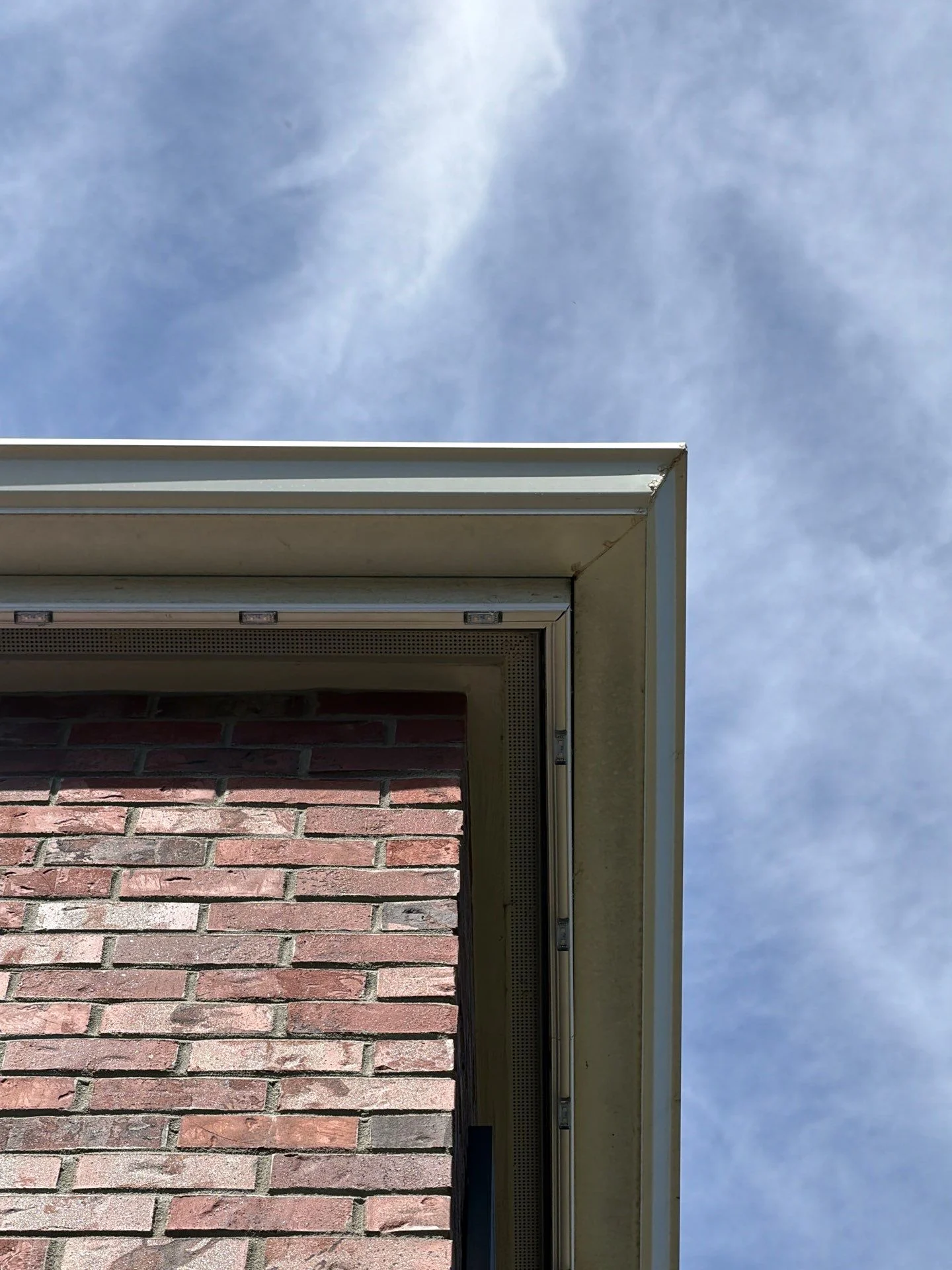
The Short Answer: It Depends on the Install
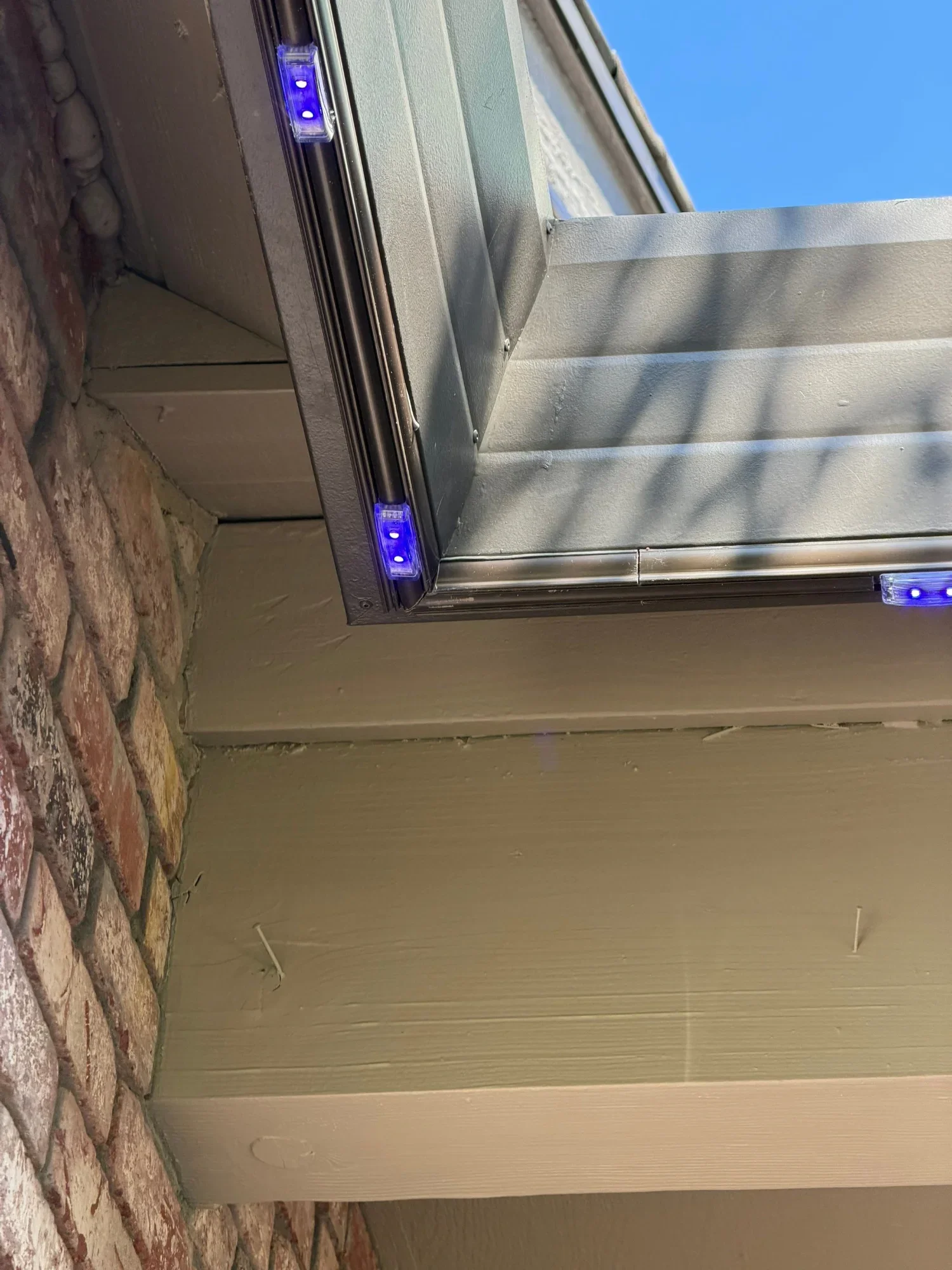
Permanent lights are a system, not a single product. A strip of lights, a power supply, a controller and wiring all have to be attached to your house in a way that holds up for years of sun, wind and the odd storm. Whether that harms your home depends almost entirely on how the attaching is done.
Think about the way a satellite dish or a gutter is installed. Done properly, both sit on a house for decades without trouble. Done badly, both can cause leaks. Lighting works the same way. The product matters, but the craft matters more. If you want to see how the product itself differs, our guide to why not all permanent lighting is created equal covers it, and our permanent lighting page explains what a full system includes.
The one sentence version: a good installer fastens into solid structure, seals anything that goes through a surface, stays off fragile roofing, and tells you in writing what they did.
What Actually Causes Damage
When homeowners tell me about a bad experience with lights, it almost always traces back to one of five things. None of them are about LEDs. They are about how the job was done.
| Cause of damage | What goes wrong | What to look for |
|---|---|---|
| Nails and staples through roofing or trim | Small holes let moisture in, which can lead to leaks and rot over time | An installer who uses purpose made clips and track, not a staple gun |
| Unsealed holes in stucco | Water follows the hole into the wall and can sit behind the finish | Every fastener point sealed, with the crew able to explain how |
| Walking on tile or shingles | Cracked tiles, lost shingle granules and hidden damage nobody notices until it rains | Ladders, lifts and planned access instead of crews scrambling on the roof |
| Heavy or oversized gear on the roof | Weight and fasteners that were never meant to sit on roofing | Lightweight track and a plan that keeps heavy items off the roof surface |
| Yanking or dragging cords | Torn shingles, bent gutters and pulled fascia | Neat, secured runs that come off cleanly when it is time to service them |
The roofing manufacturer GAF makes the same points in its own advice on holiday decorating. According to roofing manufacturer GAF, nails and staples through shingles, fascia or siding can let moisture in, and scrambling around on shingles can cause granule loss and damage. GAF also suggests leaving rooftop work to professionals. That matches what we see in the field.
Notice what is missing from the table: the lights. LED lighting runs cool and does not harm roofing or paint by itself. If you want the numbers on energy use and heat, our post on outdoor lights and your energy bill goes through them.
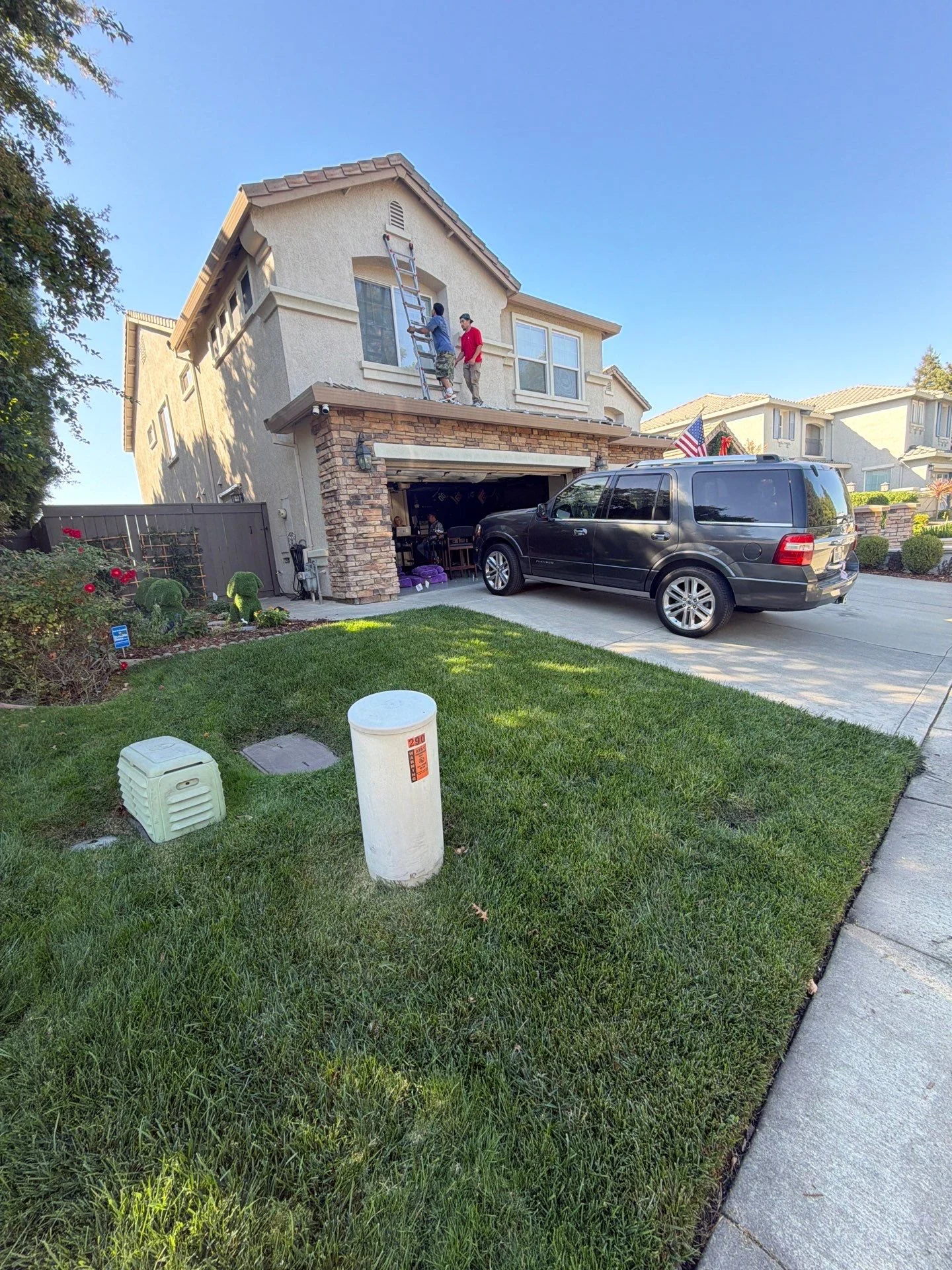
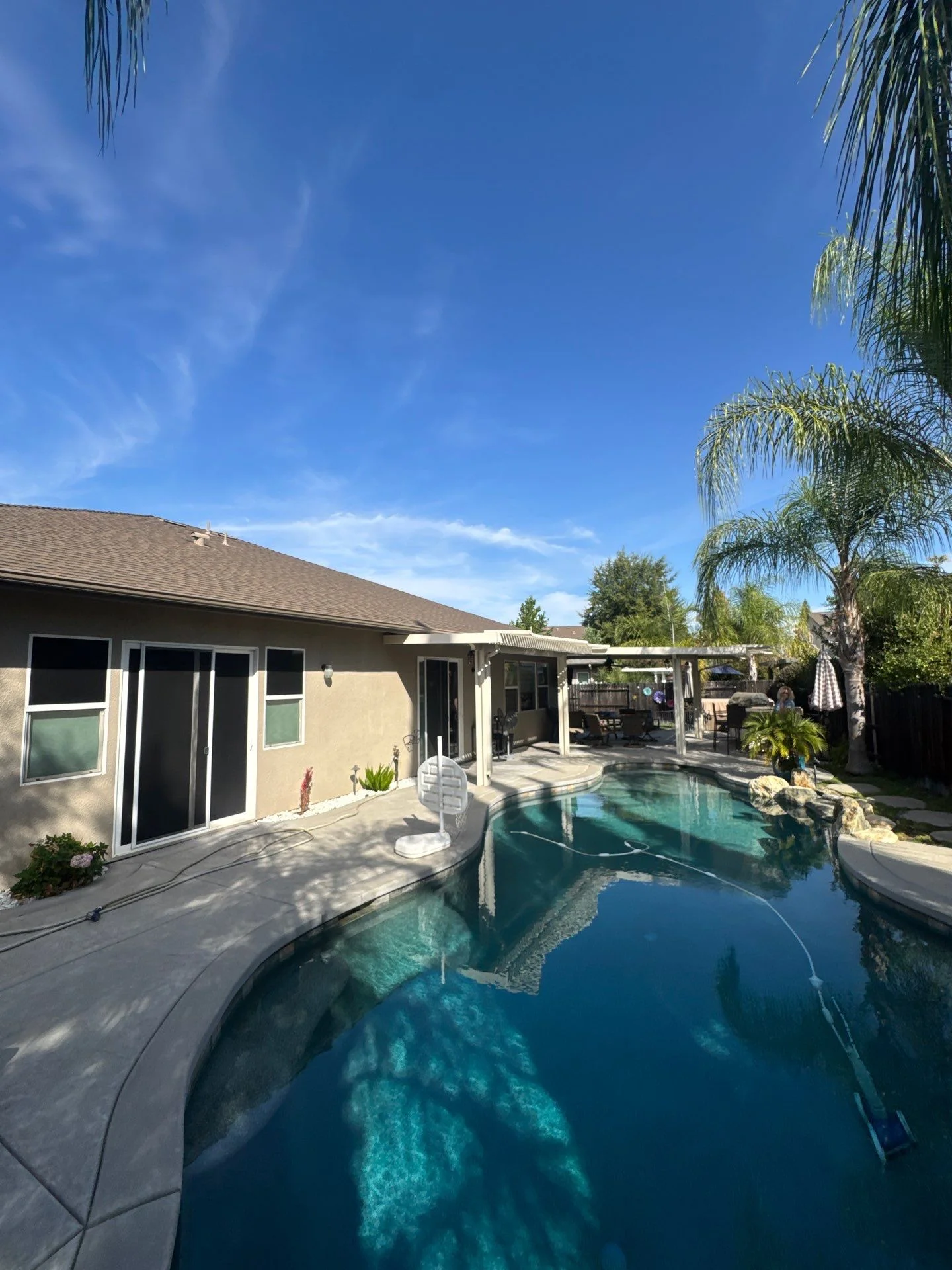
Stucco, the Sacramento Classic
Stucco is everywhere in Sacramento, from established neighborhoods to new subdivisions in Elk Grove, Roseville and Folsom. It is durable and looks great, but it has one weak point that matters for anything you attach to it: the wall behind the finish is built to keep water out, and every hole is a place where that protection can be compromised.
That does not mean stucco homes cannot have permanent lighting. We have lit plenty of them, including a large brick and stucco home you can read about in our brick and stucco project post. It means the installer needs a plan for each point where track meets the wall.
- Prefer trim and solid structure. Where the design allows it, track belongs on fascia, trim and other solid components rather than the stucco field itself.
- Seal what you penetrate. Any hole that goes through the finish should be sealed so water cannot follow the fastener into the wall.
- Match the color. Track comes in white, sand, light brown, dark brown, black and gray, so it can blend into your stucco color and nearly vanish in daylight.
- Plan for repair. Ask what happens at each fastener point if the system is ever removed, and how it would be patched.
Stucco finishes vary by home and by age, and so do the best fastening points. That is why we like to see photos or visit before we quote. There is no single recipe that is right for every wall, and anyone who says there is has probably not done many jobs.
Have stucco, tile or both?
Send us a photo and we will mark up where the track would go.
Tile and Shingle Roofs
Sacramento has a mix of concrete tile, clay tile and composition shingle roofs, and each one is damaged by a different mistake.
| Roof type | Main risk | How a careful crew handles it |
|---|---|---|
| Concrete or clay tile | Cracked or slipped tiles from foot traffic, which can lead to leaks | Minimal walking on tile, with access planned from ladders, lifts and safe pathways |
| Composition shingle | Granule loss and torn shingles from scrambling, dragging or yanking | Lightweight track along the edge and careful handling of every run |
| Flat or low slope sections | Pooling water and punctures if fasteners are careless | Attaching to solid edges and avoiding unnecessary penetrations |
If you have a tile roof, our post on a tile roof home in North Natomas shows how a Sacramento tile roof can be lit without turning the roof into a walkway. The same thinking applies to permanent track: put the lights where the roof ends, not where the roof lives.
One practical tip: if a crew tells you they need to walk across your tile to do the work, ask why and ask how they plan to protect it. Sometimes a short walk is unavoidable. A crew that has done it many times will have an answer. A crew that shrugs is a warning sign.
Fascia, Trim, Gutters and Siding
Most permanent lighting lives along the roofline, which means fascia boards, trim and gutters. These are strong places to attach track, but they have their own considerations.
- Wood fascia and trim. Solid and forgiving, but any fastener should be placed where it will not hold water against the wood.
- Metal and vinyl. These expand and contract with heat, so the track and its fastening need to allow for that movement.
- Gutters. Track and wiring should never block drainage or put weight on a gutter that was not built to carry it. If you are already planning gutter work, our gutter cleaning and lights bundle shows how the two jobs fit together.
- Siding. Lap siding and board and batten need their own approach, because fasteners need to land in solid backing, not just the siding material.
Sacramento summers are hot, and a surface that is 100 degrees at noon moves more than most people expect. Good track and careful fastening plan for that movement instead of fighting it.
Roof Warranties, HOA Rules and Insurance
This is the part people forget to ask about, so let me be clear and honest. I am an installer, not a roofer, an attorney or an insurance agent, and I will not tell you what your specific warranty says. What I can tell you is what I would do in your position.
- Read your roof warranty. Look for language about alterations, penetrations or third party work. If you cannot find it, call the roofing manufacturer or your roofer and ask.
- Ask your roofer. If a roofer installed your roof, they know the product and can tell you whether permanent lighting along the roofline is a concern.
- Get it in writing. Ask any installer to describe in writing how and where the system will be attached.
- Check your HOA. Many Sacramento communities have rules about exterior changes and lighting. Our guide on HOA rules and Christmas lights explains how to approach the conversation.
- Call your insurer if you are unsure. A short call can settle a question that would otherwise nag at you.
GAF, for example, notes that securing heavy or oversized decorations to a roof can damage shingles and may affect roof warranties. Lightweight track along an edge is a very different thing from an inflatable bolted to the ridge, but the lesson is the same: ask before assuming.
At the time of writing, our site lists a five year warranty on parts and a one year warranty on labor. You can read the current terms on our permanent lighting page and on our FAQ page before you decide.
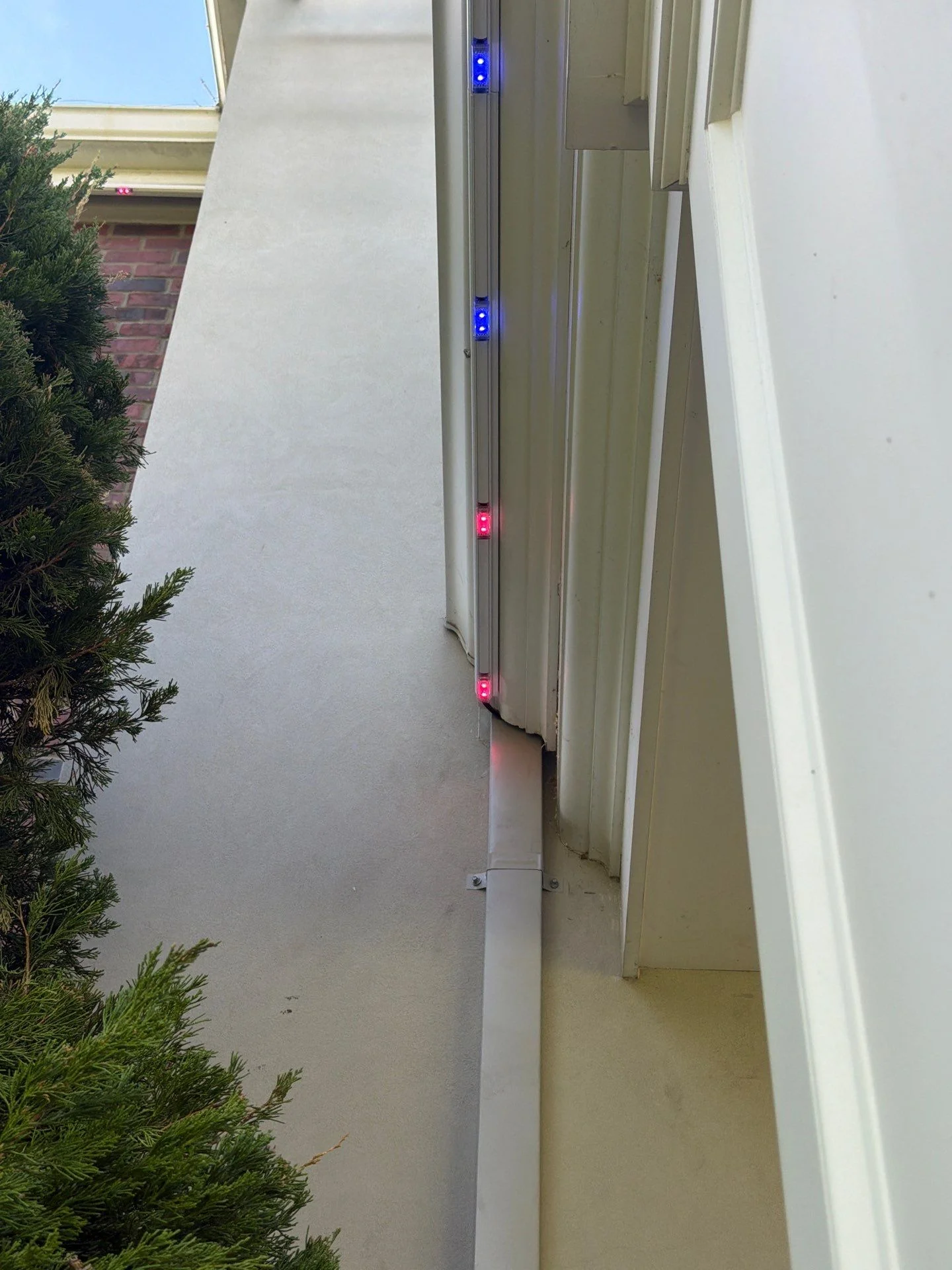
What a Careful Install Looks Like
If you have never watched a permanent lighting job, here is how a careful one tends to go. Our own installation day guide covers the seasonal version, and the permanent process follows the same spirit.
- 1. Walk the home. A good installer studies your roofline, your surfaces and your access points before quoting, in person or from photos.
- 2. Choose attachment points. Fascia, trim and solid structure first. Surfaces that need special care are flagged in advance.
- 3. Match the track. The track color is chosen to blend with your trim, stucco or brick.
- 4. Install from safe access. Ladders and lifts where possible. For taller homes, our post on scaffolding and Christmas light installation explains when extra equipment makes sense.
- 5. Seal and tidy. Any penetration is sealed and wiring is routed neatly and secured.
- 6. Test before leaving. We run a color test with you before the crew leaves, so you see exactly how the system looks and behaves.
Questions to Ask Any Installer
Whoever you choose, a few direct questions will tell you almost everything. A confident, experienced installer will answer them easily. A vague answer is information too.
| Question | What a good answer sounds like |
|---|---|
| Where will the track be fastened? | Specific: fascia, trim or other solid structure, with a reason for each choice. |
| How do you seal fastener points on stucco or siding? | A clear method, not a shrug. |
| Will anyone walk on my roof, and how do you protect it? | Either a clear no or a specific plan for protecting tile or shingles. |
| What happens if I need to remove or move the system? | A description of how fastener points are handled and repaired. |
| What does your warranty cover, and for how long? | Written terms for parts and labor. |
| Can I see photos of similar homes? | Real projects, such as those in our project gallery. |
Price matters too, but it is the last question, not the first. If you want to understand what drives cost, our permanent lighting cost guide and our pricing page explain it, and our financing options spread the cost over monthly payments with a soft credit check.
"Great experience year after year. If anything comes loose, Clark comes right away to fix it, and he schedules takedown way ahead of time, which is so convenient."
Kelley Kalin, Google Review, Sacramento Area HomeownerMoving, Repairs and Removal
Permanent does not mean forever. Homes get repainted, roofs get replaced, and people move. A good installer plans for that from the start.
- Repainting. Track and lights can be worked around or temporarily detached, so ask how your installer handles painters.
- Roof replacement. Tell your roofer about the system early so they can plan the sequence. We are happy to coordinate.
- Moving. A professionally installed system is a feature buyers can see, and you can ask us about options if you are selling.
- Service. Our guide on year round service and take down covers what ongoing care looks like.
The point is that a careful install should be reversible with sensible repairs, and your installer should be able to tell you what those repairs would be before you sign anything.
Electrical Safety
Protecting the surface of your home is half the story. The other half is the wiring. Every year, decorating sends people to the emergency room. The U.S. Consumer Product Safety Commission has estimated more than 15,000 holiday decorating injuries across the country in a single November and December, and ladder falls are a well known part of that picture. That is one more reason to leave rooftop work to people with the right equipment.
For the electrical side, the Electrical Safety Foundation International recommends using outdoor rated products and plugging into ground fault circuit interrupter protected outlets. Ask any installer how they handle power, and whether your outdoor outlet is protected. If you like to understand how efficient modern LED lighting is, the ENERGY STAR certified LED decorative light strings program is a helpful reference.
Putting It Together
If you remember one thing from this guide, make it this: the lights are rarely the problem. The method is. Ask where the track goes, how holes are sealed, how the crew reaches high places and what is in writing. A good installer welcomes those questions, because the answers are what set a careful job apart.
If you want us to take a look at your home, the free quote takes a couple of minutes, and you can also test ideas with our visualizer below.
More from Santa's Lights: see real projects and related guides.
Want to see permanent lights on your own roofline?
Try our AI Visualizer, completely free.
FAQ: Permanent Lights, Your Roof and Your Walls
Do permanent Christmas lights damage a roof?
Not when they are installed carefully. Damage comes from methods such as nails or staples through shingles, walking on fragile tile, or heavy equipment on the roof. Ask any installer how they attach the system and how they reach the work area.
Can permanent lights be installed on stucco?
Yes. The key is planning each fastening point and sealing anything that goes through the finish. Where possible, track is better placed on fascia and trim.
Will permanent lights void my roof warranty?
It depends on your specific warranty. Check the terms, ask your roofer or the roofing manufacturer, and ask your installer to describe the attachment method in writing.
Do you have to walk on my tile roof?
A careful crew minimizes it and plans access from ladders and lifts. If anyone does need to walk on tile, ask how they will protect it.
What color is the track?
Track comes in white, sand, light brown, dark brown, black and gray, so it can be matched to your trim, stucco or brick.
What happens if I repaint or replace my roof?
Tell your installer and roofer early. Systems can be worked around or temporarily detached, and we are happy to coordinate with your contractor.
Is a permanent system safe to leave outdoors all year?
Yes, when it is outdoor rated, properly installed and plugged into GFCI protected power. Ongoing service helps keep it that way.
What warranty do you offer?
Our site currently lists a five year warranty on parts and a one year warranty on labor. See our permanent lighting page for the current terms.
How much does permanent lighting cost?
It depends on the home. Our pricing page and cost guide explain the range, and a free quote gives you an exact number for your house.
A good installer treats your home like their own. That means asking questions, protecting the surfaces you have invested in and being honest about what is and is not right for your house. If you want that kind of conversation, I would love to hear from you.
Clark, Santa's Lights

Clark started Santa's Lights back in 2014 with a ladder, a truck, and way too much confidence in his own knot tying. Since then he's lit up thousands of homes across Sacramento, Loomis, Folsom, and beyond, and he still shows up to jobs himself often enough to know exactly what he's talking about. When he's not on a roofline, he's probably answering your call directly, because that's still how this business works.