Permanent Lights in Sun City Lincoln Hills and Twelve Bridges: How HOA Approval Actually Works
Permanent lights in Sun City Lincoln Hills or Twelve Bridges? Here is how the HOA approval packet works, step by step, and what it costs, from Clark.
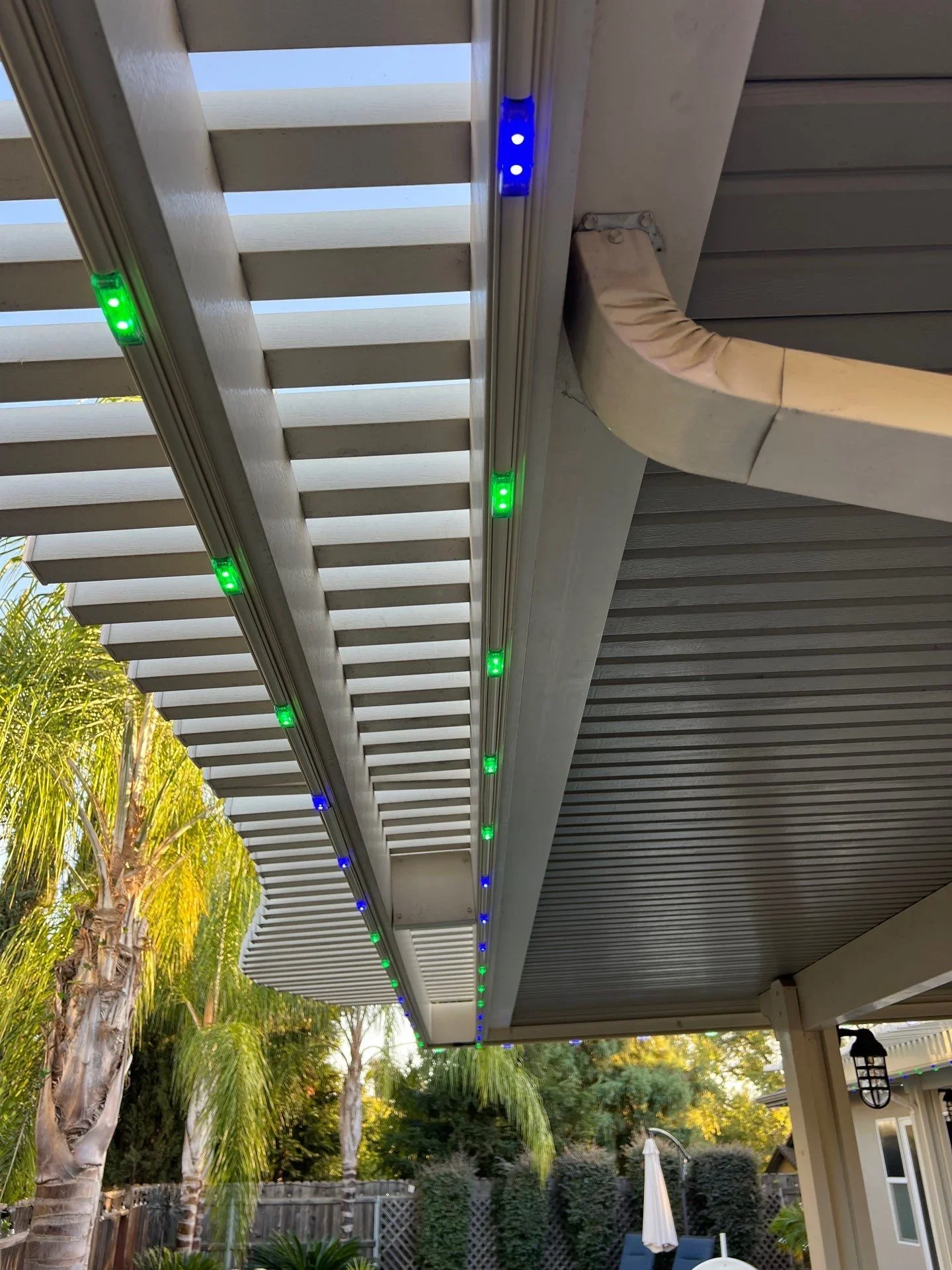
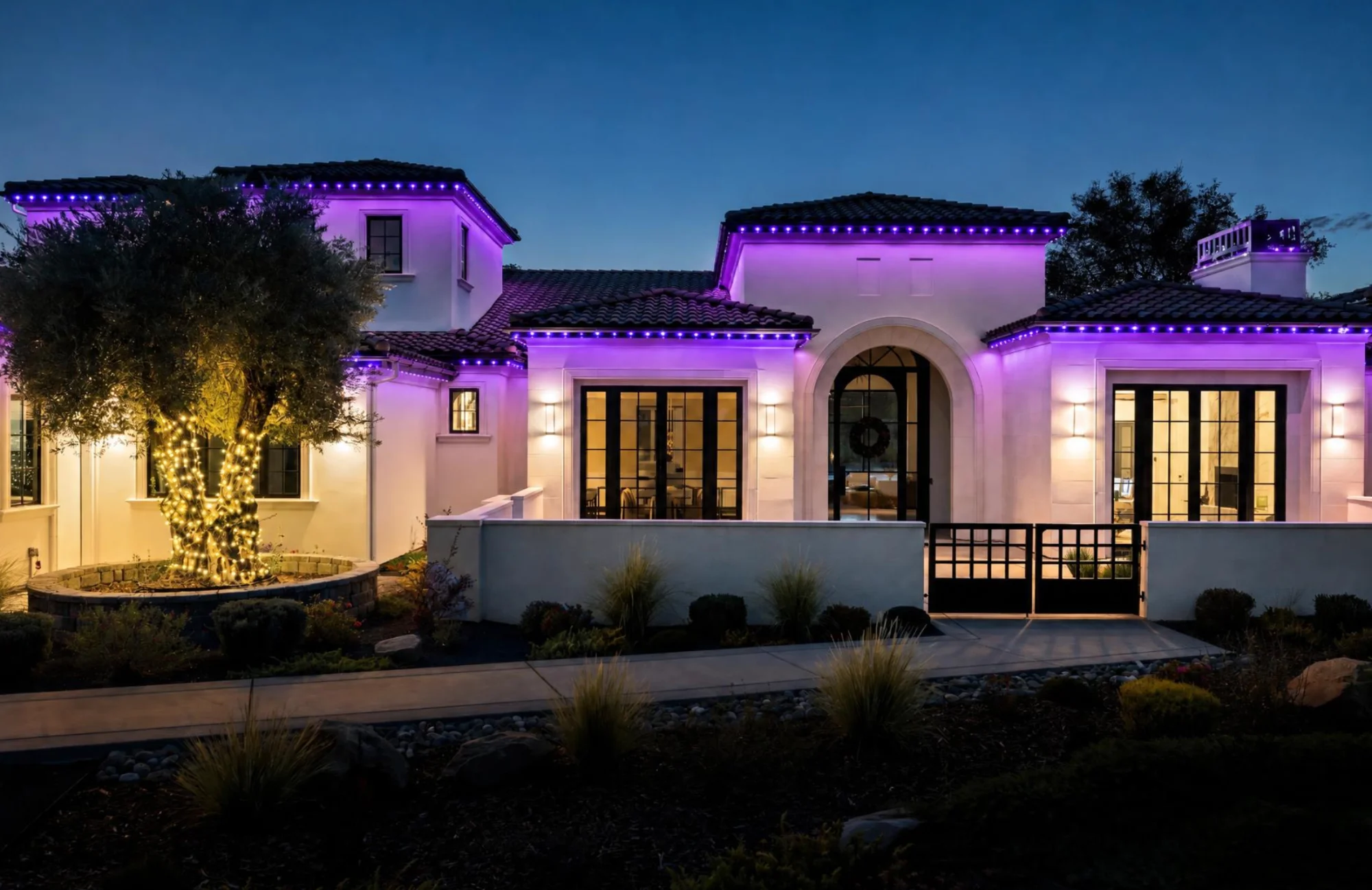
For permanent lights in Lincoln, you submit a packet to your architectural review committee before anything goes up. Expect to include a drawing of the light locations, product information, the trim color, and a short project description. Color matched channel that disappears into your trim is the easiest design to get approved.
- Why does permanent lighting need HOA approval in Lincoln?
- What does Sun City Lincoln Hills publish about exterior lighting?
- What about Twelve Bridges, Lincoln Crossing, and Catta Verdera?
- What goes in the approval packet?
- How do you submit it, step by step?
- How does color matched channel make approval easier?
- How long does the whole thing take?
- What if the committee says no?
- What does permanent lighting cost for a Lincoln home?
- Questions Lincoln homeowners ask
Ready to get your packet right the first time?
Free estimate and site visit. I will tell you exactly what to send your ARC.
I have been lighting homes around Sacramento and Placer County since 2014. Lincoln is one of my favorite places to work. It is also a place where the first question is almost never "what will it look like?" It is "will the board let me?"
That is a fair question. If you live in Lincoln, there is a good chance you live under an HOA or an architectural review committee. In Sun City Lincoln Hills, that is the Architectural Review Committee, or ARC. Twelve Bridges, Lincoln Crossing, and Catta Verdera each have their own governing documents too.
This post is about one thing: the approval packet for permanent, hardwired channel lighting. I am not going to rehash your general rights to hang holiday lights. I covered that in can my HOA restrict my Christmas lights. I am also not going to walk through every price tier, because the permanent lighting cost guide does that. Here, we go step by step through the submittal.
Why does permanent lighting need HOA approval in Lincoln?
Permanent lighting changes the outside of your home. A string of bulbs you hang in November comes down in January. A channel mounted to your fascia stays. Most architectural review rules are written to cover anything that stays.
That is the whole reason permanent lighting goes through review, and it is why I treat the approval as part of the job, not a hurdle in front of it. A board is looking at a few things:
- Does it match the look of the home and the street?
- Is the hardware hidden or at least tidy?
- Will light spill onto a neighbor's property?
- Who is responsible if something fails?
Every one of those questions has a good answer when the system is designed well. My goal with every Lincoln packet is to answer them before the committee has to ask.
Important: I am not your HOA, and I am not a lawyer. Your CC&Rs and design guidelines are the final word. Everything below is how I help homeowners prepare, based on the published guidance I could verify. Always confirm with your own architectural review office before you sign anything.
What does Sun City Lincoln Hills publish about exterior lighting?
Sun City Lincoln Hills publishes a set of ARC checklists for homeowners. The one that matters here is Checklist 21, Exterior Lighting (the copy I read is marked Revision 6, May 2021). It covers exterior lighting such as entry lights, electrified walkway lights, landscape accent lights, and security lights.
I read the whole thing. Here is what it says, without anything added:
- It is guidance only. The checklist says it is for guidance, and that owners should check the CC&Rs and Design Guidelines for all other requirements.
- You submit documents. That means a drawing showing the location of all exterior lights, new and existing, plus manufacturer catalog information or a photo of each fixture with its size, paint or finish colors, and a brief project description. You sign the checklist and submit it with the ARC Application Form.
- Fixtures should suit the home. The design has to fit the architectural character and scale of the home and the community.
- Hardware should disappear. Conduit and junction or outlet boxes must be as inconspicuous as possible. If they mount on the exterior, they must be painted to match the adjacent wall.
- String lighting rules. For decorative string and rope lights, wiring has to be hidden from view, and the checklist says "draping of string lighting is prohibited."
- Keep the light on your property. Light may not be aimed beyond the owner's property, and glare on neighboring homes and public areas must be minimized.
- City permits. The owner must obtain City of Lincoln permits as required.
- A clock on the work. Work must be completed within 90 calendar days of starting, and before the one year approved application period expires.
Notice what it does not say. It does not name roofline channel lighting. It does not say anything about Christmas strings coming down or staying up. It is a general exterior lighting checklist. So when you plan a permanent system, ask your ARC which category it falls under and whether they want any extra information. A short phone call or email up front can save a resubmittal.
Also, a checklist revision from 2021 may not be the current version. Download the latest from the community before you start.
What about Twelve Bridges, Lincoln Crossing, and Catta Verdera?
I am not going to tell you what the Twelve Bridges rules say, because I have not verified them and I will not guess. The same goes for Lincoln Crossing and Catta Verdera. What I can tell you is the right way to find out.
- Pull your own governing documents. Look for the section on exterior modifications or architectural review.
- Find the architectural review process and the form. Many associations post it on a resident portal or website.
- Ask if there is a design guideline that covers exterior lighting specifically.
- Ask what the response timeline is and how to appeal.
If you have that information, send it to me. I will build the packet to fit it. If you do not have it yet, we can still start your design and estimate while you gather it.
One note on the state law side. Under the Davis-Stirling Act, if your community is a common interest development, California Civil Code section 4765 sets some guardrails on architectural review. Based on the text I read, the review procedure has to be fair, reasonable, and expeditious. It has to be in the governing documents and state a maximum time for responding. A decision "may not be unreasonable, arbitrary, or capricious." A decision must be in writing. If a change is disapproved, the written decision must explain why and describe how to seek reconsideration. This is not legal advice. Ask your association or an attorney how it applies to you.
What goes in the approval packet?
Here is the packet I recommend for a permanent lighting submittal in Lincoln. The first five items mirror what Sun City's Checklist 21 asks for. The rest are things that make a reviewer's job easier. If your ARC asks for less, great. If it asks for more, we will add it.
| Packet item | What to include | Who prepares it |
|---|---|---|
| Completed checklist and ARC application form | Your community's forms, signed and dated, with a planned completion date | You, with my help filling in the details |
| Drawing of all lights, new and existing | A simple elevation or marked up photo showing where each run of channel sits, plus your existing entry, walkway, and security lights | I draw it after the site visit |
| Product information or photo | Minleon aluminum channel spec sheet and a photo of the finished profile, with sizes | I provide it |
| Paint or finish colors | The color of your trim, plus the channel color matched to it | Color match done at your home |
| Project description | A short paragraph: where it goes, how wiring is concealed, how power is connected | I draft it, you review it |
| Photos of your home | Front and sides, with the roofline and trim clear | You or me during the site visit |
| Default and sample scenes | A note that the everyday look is warm white, with color used for holidays and events | I provide a short summary |
| Insurance information | Certificate of insurance if your association asks for it | I provide it on request |
That last row matters. I am licensed and insured, with general liability and workers' comp, and I can supply a certificate of insurance when an association wants one.
How do you submit it, step by step?
This is the order I follow with Lincoln homeowners. You can do the whole thing yourself, but most people prefer I handle the drawing and product pages.
Get the current forms
Download the latest checklist and application from your community. In Sun City Lincoln Hills, that includes Checklist 21 and the ARC Application Form. For other communities, ask your management office or board for the exterior modification form.
Book a site visit
I come out, look at your fascia and trim, and note where the channel would run. I also look at your electrical access, since the system needs a clean place to connect. This is part of my normal four step process: site visit, color match, install, app setup.
Do the color match
I match the channel to your trim color so the finish blends in. That gives you the paint or finish color line on the form. It also gives the committee something concrete to approve.
Build the drawing
I mark each run on a photo or elevation of your home. I also mark your existing lights, because the Sun City checklist asks for all lights, new and existing.
Write the project description
Keep it short and specific. Say where the channel mounts, that wiring is concealed, and that conduit and boxes will be painted to match the wall. Say the light is aimed at your own home, not at the neighbors.
Submit and keep a copy
Send the packet the way your ARC requires. Keep a dated copy of everything. If your community has an online portal, take a screenshot of the confirmation.
Wait for the written decision
Do not schedule the install until you have the approval in hand. If the committee asks for more information, send it quickly and keep it short.
Schedule the install inside your approval window
Sun City's checklist says work must be completed within 90 calendar days of starting, and before the one year approval period ends. Permanent installs are fast, so this is rarely a problem if you schedule once you are approved.
Not sure what your community needs?
I will review your community's forms and tell you exactly what to send.
How does color matched channel make approval easier?
This is the part I care about most. The biggest worry a board has is the look of the house in daylight. They are not picturing your lights on a December night. They are picturing a roofline with strips and wires on it at noon in July.
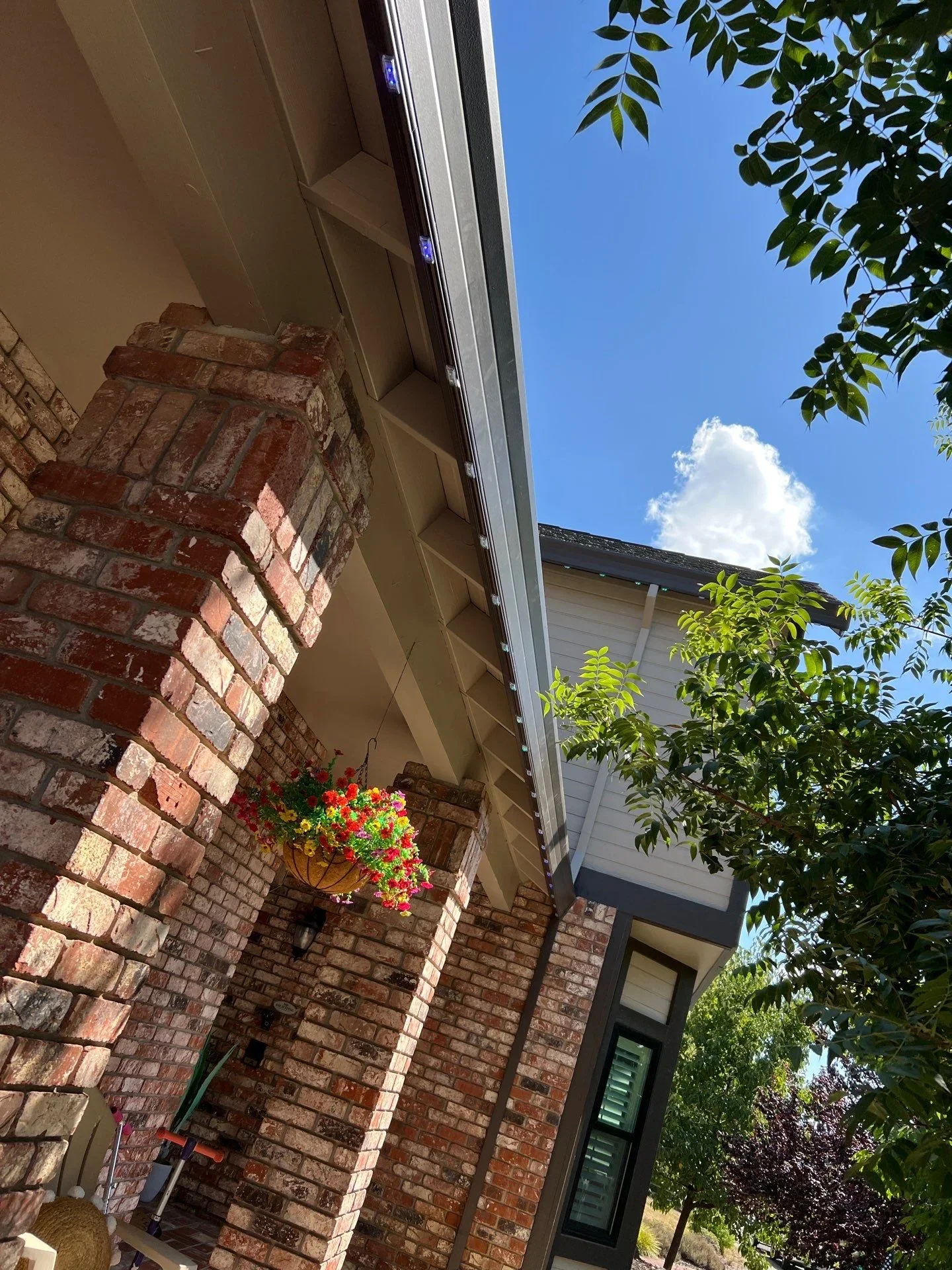
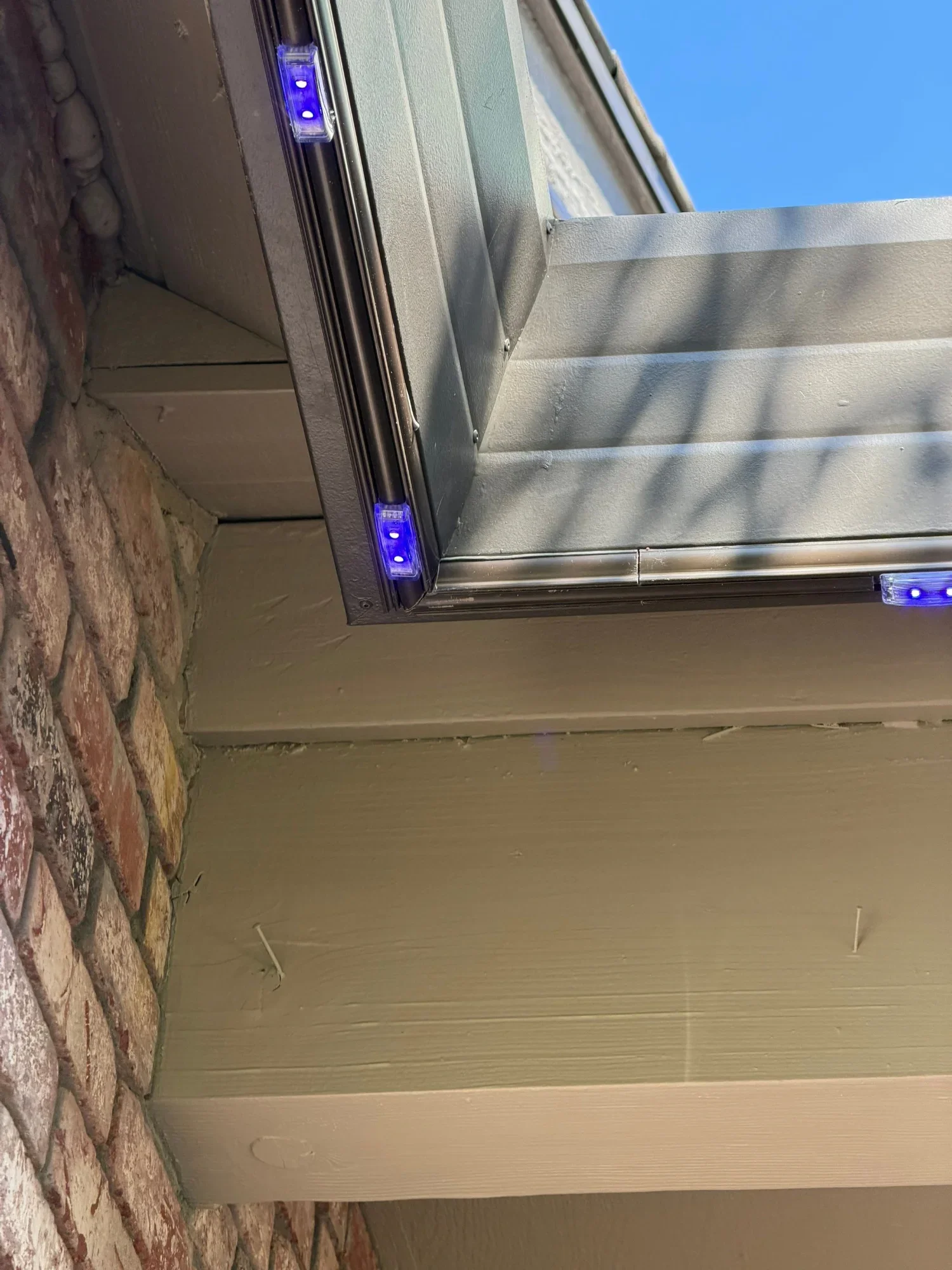
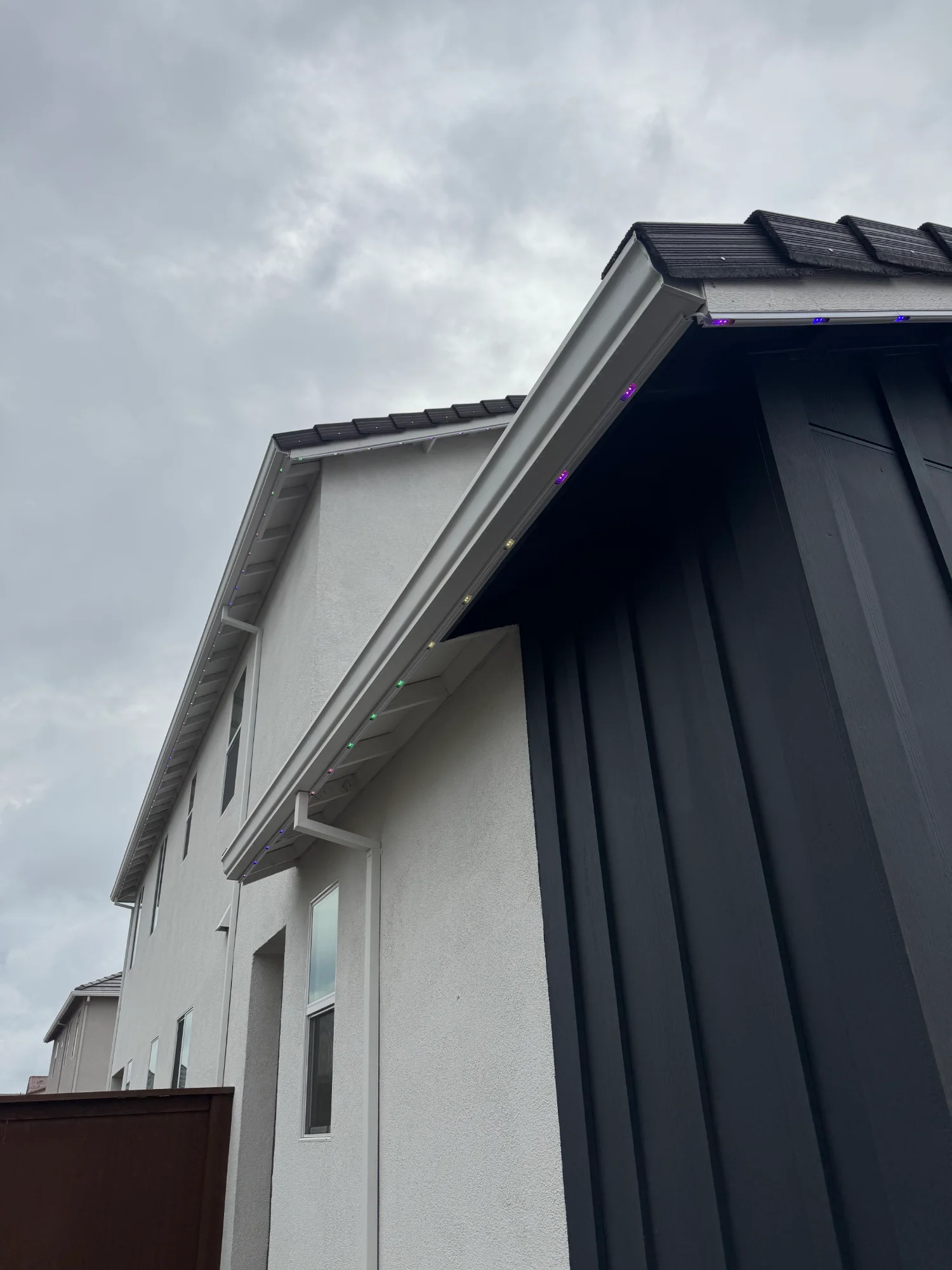
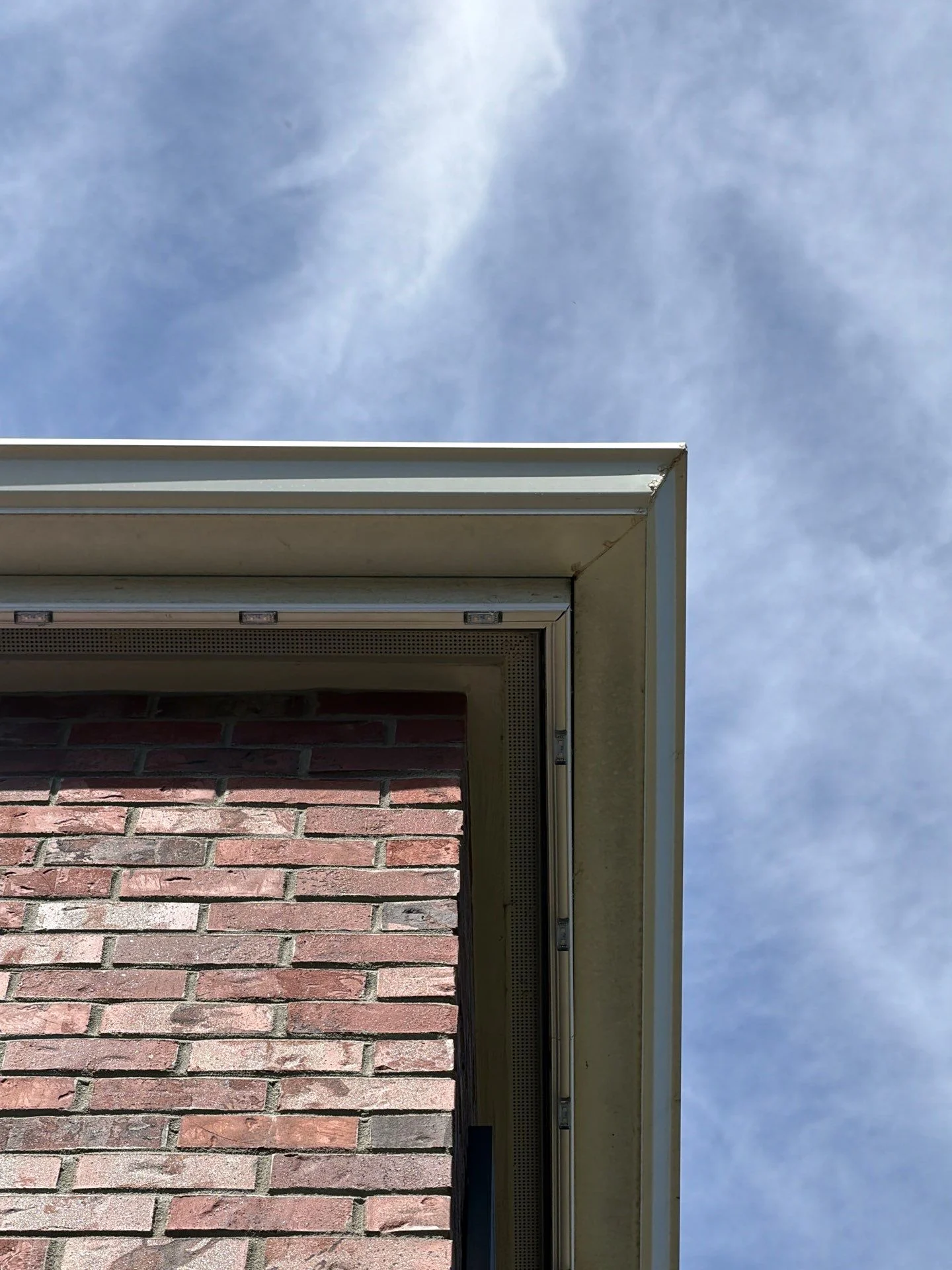
That is why I use Minleon aluminum channel and color match it to the trim. The channel is color matched to your trim. Wiring is concealed. In daylight, the goal is that it reads as part of the trim.
Here is how that lines up with the review concerns I see most often:
- Appearance. The channel is color matched to your trim, so it does not stand out from the home's existing colors.
- Hardware. Wiring is concealed, and any conduit or boxes can be painted to match the wall. That is the same standard the Sun City checklist uses.
- Not a string of bulbs. The system is a fixed, hardwired channel, not draped string lighting. That matters in a community where the checklist says draping of string lighting is prohibited. I would still confirm with your ARC how they classify it.
- Light direction. The lights face the home's own surfaces, not the neighbor's windows.
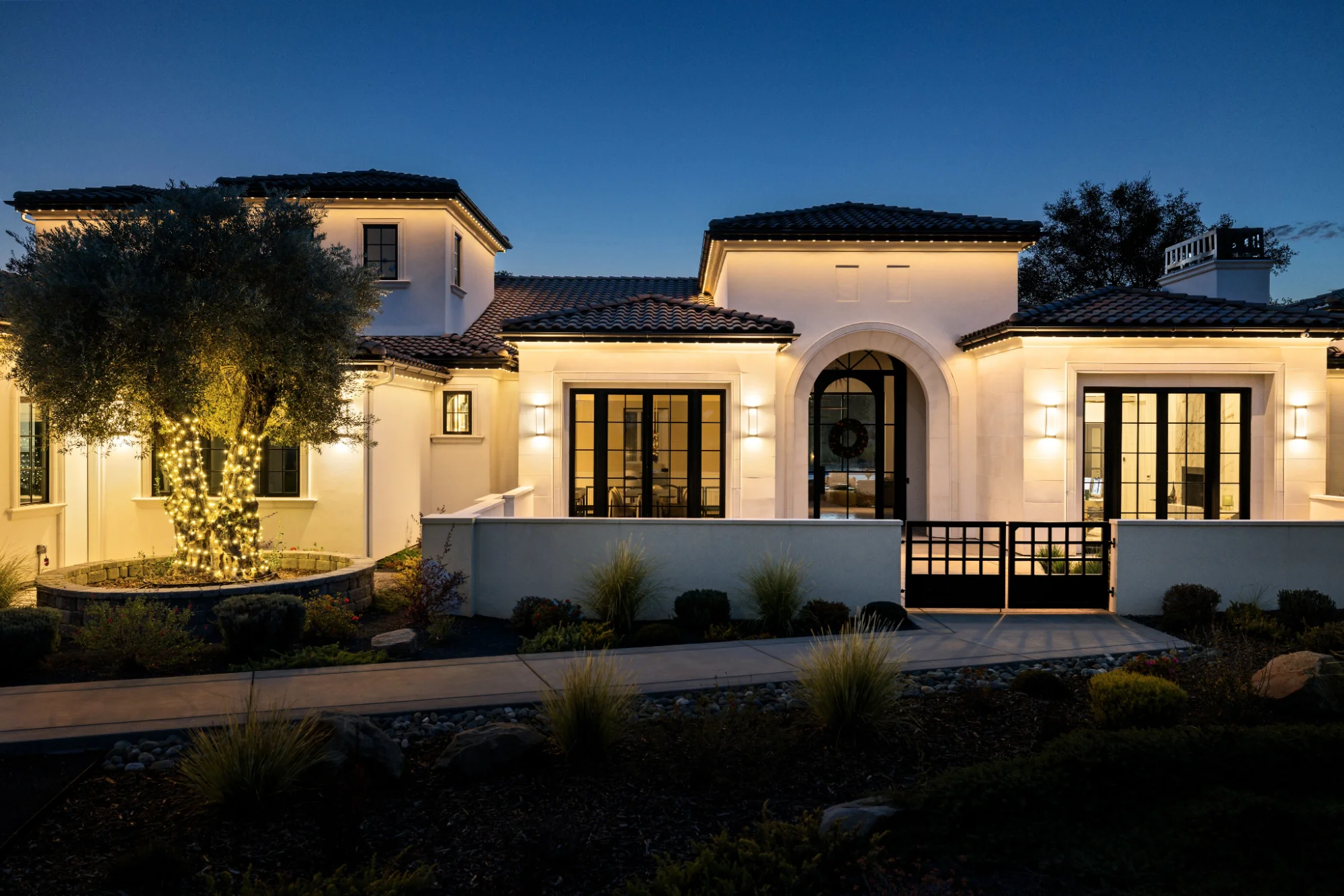
- Everyday look. A system can sit on warm white for normal evenings. That is a quiet, familiar look for a committee to picture.
You can learn more about how a permanent system fits an HOA setting on our permanent lighting for HOA communities page, and the general overview is on the permanent lighting page.
"After my husband's surgery there was no way we were doing lights ourselves again. Santa's Lights made it effortless and beautiful."
Linda W., Sun City Lincoln HillsI like that review because it points to a real reason people choose this. Nobody wants to be on a ladder. A permanent system means you never go up there again. It also means the approval work happens once.
Want to see color matched channel on your own home?
Try our AI Visualizer before you submit anything, completely free.
How long does the whole thing take?
The honest answer is that the committee sets the longest part of the timeline, not me. I cannot tell you how fast your ARC will respond, and I will not guess. Your governing documents should state a maximum response time. Ask for it.
The parts I control are quick. Here is how the process lines up:
| Stage | Who controls it | What to expect |
|---|---|---|
| Site visit and color match | Me and you | One visit, then a design and estimate |
| Drawing and packet | Me | Prepared from what I gathered on site |
| ARC review | Your committee | Varies by community. Check your governing documents for the stated response time |
| Written decision | Your committee | Should be in writing. If disapproved, it should explain why and how to ask for reconsideration |
| Install | Me | About 1 day. Under 8 hours for most homes |
| App setup | Me and you | I set up the app with you and walk through your scenes |
| Completion window | Your approval terms | Sun City's checklist: finish within 90 calendar days of starting, and before the one year approval period expires |
My advice is to start the packet early. If you are thinking about lighting for next holiday season, do not wait until the fall. Committees get busy, and you want an approval in hand before you pick an install date.
For a look at the install itself, see what to expect during a permanent lighting installation.
What if the committee says no?
It happens. It is not the end of the project. Most denials come down to missing information or one specific concern, and those can usually be fixed.
- Read the decision closely. Under California Civil Code 4765, as I read it, a written disapproval should explain the reason and describe how to seek reconsideration. If yours does not, ask for that in writing.
- Call me. Tell me what they objected to. I can adjust the design, move a run, change the channel color, or add detail to the drawing.
- Ask for reconsideration. Section 4765 says an applicant is entitled to reconsideration by the board at an open meeting after a disapproval, with an exception where the board itself made the original decision at a compliant meeting. Ask your association how this works for you.
- Bring photos and a sample. A photo of a finished home with color matched channel, or the channel itself in your trim color, helps a board see what you mean. Our gallery has examples.
- Talk to your neighbors. If the board hears from other owners, a request looks like a community conversation, not a one off.
- Get advice if it stays stuck. If you think the process was unfair, speak with an attorney who handles HOA law. This is not legal advice.
For the general side of this, including your rights around holiday decorations, read can my HOA restrict my Christmas lights in Sacramento.
My rule: I never install before you have a written approval. It protects you, and it protects my crew. If an approval comes with conditions, I follow them to the letter.
What does permanent lighting cost for a Lincoln home?
I keep the detailed math in the permanent lighting cost guide, so I will keep this short. The numbers below are the ones published on our site. They are starting points, not quotes. Every home needs a site visit.
| What | Number | Notes |
|---|---|---|
| Permanent lighting, fully installed | Starts at $2,999 | Minleon aluminum channel, color matched to trim |
| Average permanent project | $5,500 to $8,500 | Range from our cost guide |
| Larger or more complex homes | $9,000 to $12,000+ | Range from our cost guide |
| Seasonal Christmas, Sun City Lincoln Hills | Packages from $799 | This is the seasonal figure on our Lincoln page, not permanent pricing |
| Seasonal Christmas, Twelve Bridges color changing | From $1,199 | Also seasonal, from our Lincoln page |
| Financing | 100% financing, no money down on projects of $1,000 and up | Subject to credit approval. 0% APR promotions are offered at times |
| Warranty | 5 years parts, 1 year labor | LEDs rated for 100,000 hours |
Read that table carefully. The $799 and $1,199 numbers are for seasonal Christmas lighting in Lincoln. They are not permanent lighting prices. I list them because many Lincoln homeowners start with seasonal and then ask about permanent. If that is you, compare the two in Christmas lights vs permanent lighting. I also keep the full picture on the pricing page.
On financing: you can read the details at our financing page. Approval depends on your credit, and I will not promise terms I cannot control.
One more thing on cost. Permanent systems are LED, so they are easy on your power bill. For context, ENERGY STAR says certified decorative light strings use 75% less energy than conventional incandescent light strands. That is about certified strings, not channel systems, so treat it as general context for LED technology, not a promise about your bill.
About scenes. I set up the app with you at the end of the install, and you can change scenes from your phone. I switch scenes from the app, and I do not promise automatic scheduling. If you want holiday colors on a given night, you or I change the scene.
A related mention. West Roseville has its own mix of new construction and age restricted neighborhoods. I wrote about it in West Roseville Christmas lights for new construction and 55+ homes. The lighting is similar. The approval paperwork is different in every community.
Questions Lincoln homeowners ask
Do I need ARC approval for permanent lights in Sun City Lincoln Hills?
The community's published Checklist 21 covers exterior lighting and asks for a signed checklist, a drawing of all lights, product information, finish colors, and a project description with the ARC application. It is guidance only. Confirm with your own ARC whether permanent channel lighting follows that path, and check your CC&Rs and Design Guidelines.
Does Sun City Lincoln Hills ban string lights?
I cannot say it bans them. Checklist 21 says decorative string and rope lights must be installed neatly with wiring hidden from view, and that draping of string lighting is prohibited. It does not address seasonal Christmas strings by name. Ask your ARC how it treats seasonal decorations. That is the only answer that counts.
What are the rules in Twelve Bridges for permanent holiday lights?
I have not verified Twelve Bridges rules, so I will not guess. Check your own governing documents and your architectural review process, then send them to me. I will build the submittal around what your association asks for, whether that is a drawing, product details, or a color sample.
Do I need a City of Lincoln permit?
Sun City's checklist says owners must obtain City of Lincoln permits as required. Whether your project needs one depends on the scope of the electrical work. Ask the City of Lincoln or your electrician, and tell me what they say. I will fold it into the plan and the timeline.
Can I start the design before my ARC approves anything?
Yes. If you have not gathered your community's forms yet, we can still start your design and estimate while you collect them. I will not schedule the install until you have a written approval in hand, and I will build the packet to fit whatever your association asks for.
Who prepares what in the approval packet?
You sign and date the community's forms. I draw the light locations after the site visit, supply the Minleon channel spec sheet and a photo of the profile, match the channel color to your trim, draft the project description for you to review, and provide a certificate of insurance on request.
What should I do if I do not know my community's rules yet?
Pull your governing documents and look for the section on exterior modifications or architectural review. Ask your management office or board for the form, the design guidelines on exterior lighting, the response timeline, and the appeal process. Send me what you find and I will build around it.
What if my ARC denies the application?
Read the written decision, then call me. Under California Civil Code 4765, a disapproval should explain why and describe how to seek reconsideration. We can revise the drawing, move a run, or adjust the channel color, then resubmit. This is not legal advice. Talk to an attorney if it stays stuck.
Not sure your home is a fit? Our Lincoln page lists the neighborhoods I serve, including Twelve Bridges, Lincoln Crossing, Sun City Lincoln Hills, and Catta Verdera. Lincoln is about thirty minutes from my base. If you have any question, call me at (916) 365-4842.
Let's get your packet right the first time. If you would like a hand with yours, I would be glad to walk you through it.
Clark, Santa's Lights
More from Santa's Lights: related guides and projects.
Note: This post is general information, not legal advice. Confirm requirements with your own HOA or architectural review committee.

Clark started Santa's Lights back in 2014 with a ladder, a truck, and way too much confidence in his own knot tying. Since then he's lit up thousands of homes across Sacramento, Loomis, Folsom, and beyond, and he still shows up to jobs himself often enough to know exactly what he's talking about. When he's not on a roofline, he's probably answering your call directly, because that's still how this business works.