Will Permanent Lights Hold Up in Sacramento Heat, Rain and Wind?
Sacramento summers hit 100 degrees and winters bring rain and fog. Here is how permanent lights handle it and what to ask before you buy.
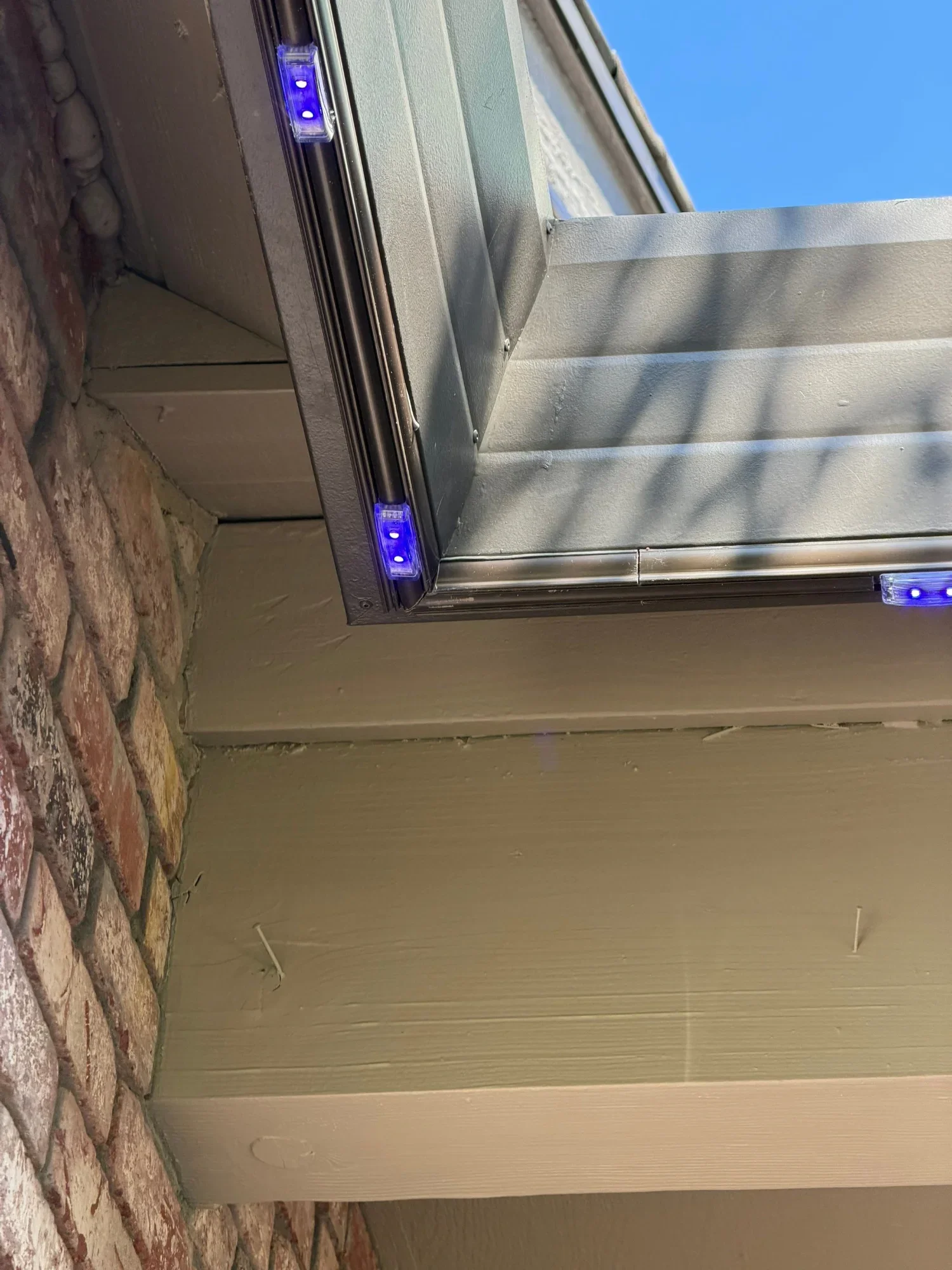
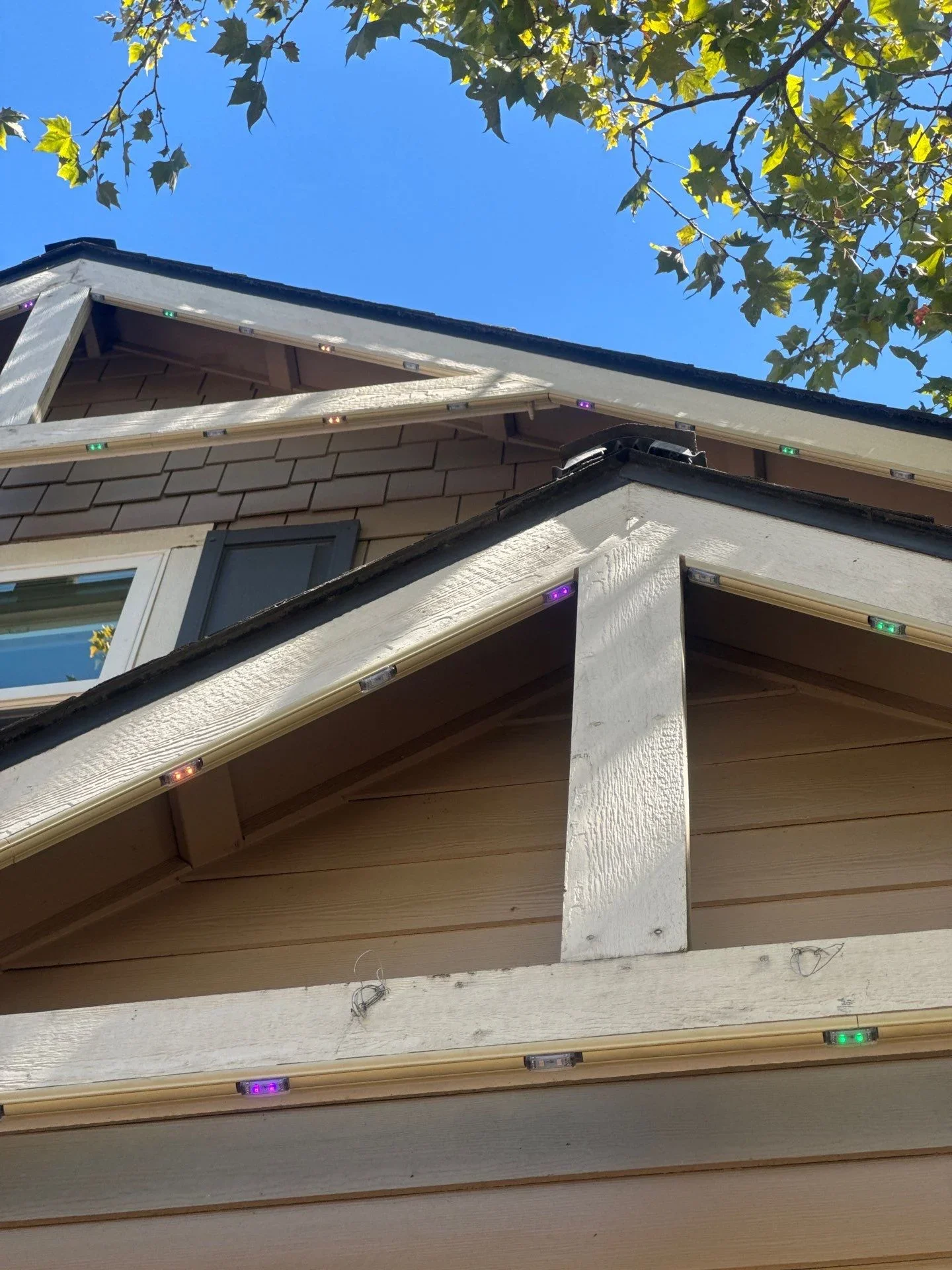
Will permanent lights hold up in Sacramento weather? They can, if the system is built and installed for it. Sacramento is hot and dry in summer, damp and foggy in winter, with the occasional windy storm. The parts that matter are the lights, the track, the power supply and the way everything is sealed and fastened. What to check: the water and dust rating, how the power equipment is protected from heat, how runs are secured against wind, and what the warranty covers. Our approach: outdoor rated pebble lights on color matched track, tested with you before the crew leaves.
Want lights built for Sacramento weather?
Free design consultation, transparent pricing, no obligation.
Anything you bolt to the outside of a house has to put up with the weather, and permanent lights are no exception. They stay up through 100 degree afternoons, foggy January mornings and the first big storm of the season. So it is a smart question to ask before you spend the money: will they actually last here?
I am Clark, and I have been working on Sacramento homes since 2014. This guide walks through what our local climate does to outdoor lighting, what the specs on the box really mean, and how to judge whether a system is built to handle it. I will also be upfront about what I do not know, because no installer can promise how any product will behave over many years, and you should be wary of anyone who does.
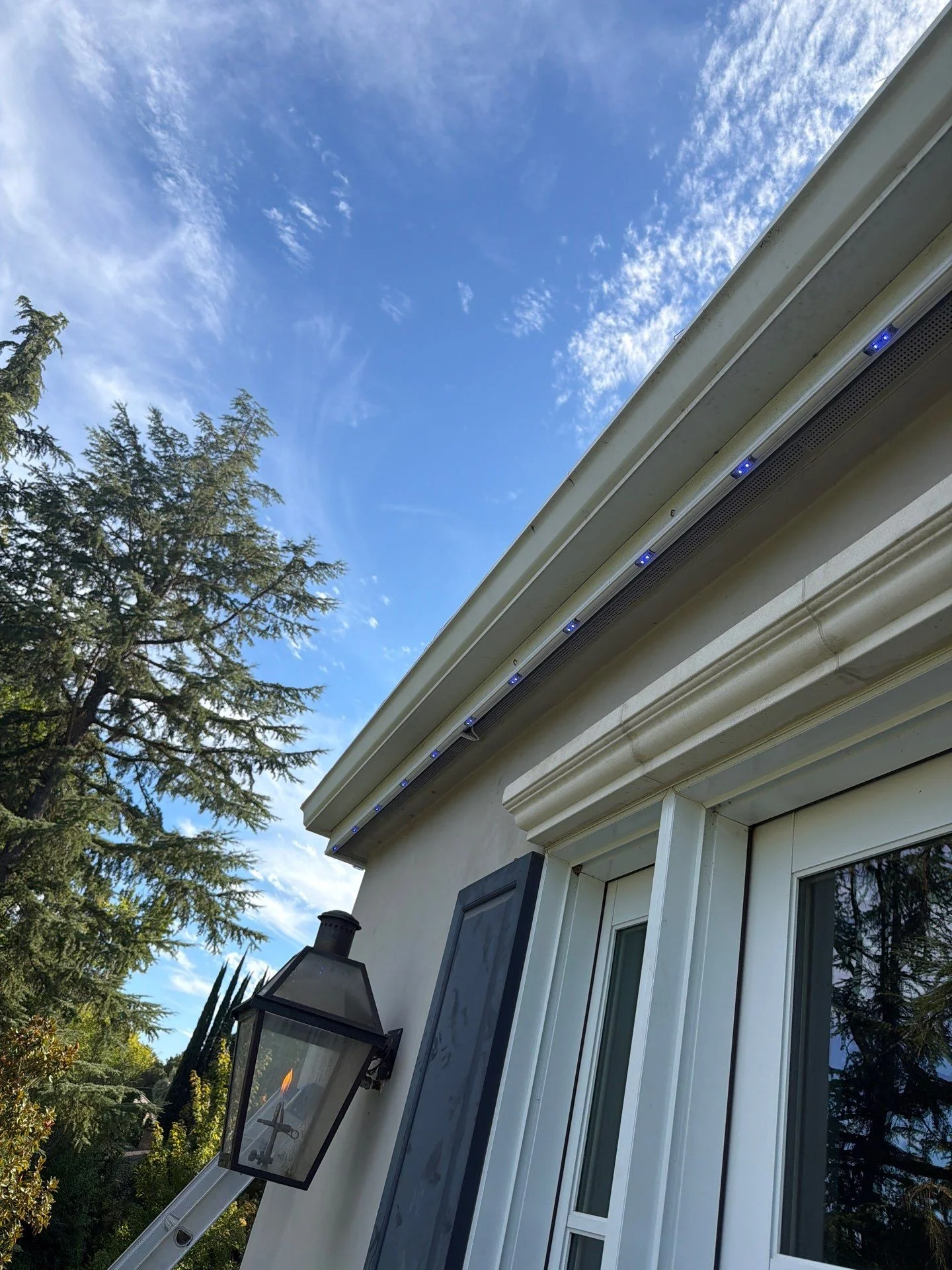
What Sacramento Weather Throws at a House
Sacramento has a Mediterranean style climate: long dry summers and a wetter winter. The National Weather Service Sacramento climate summary, using 1971 to 2000 normals, lists an average July high of 93.8 degrees, an all time record high of 114 degrees and average annual rainfall of 19.87 inches, with January the wettest month at an average of 4.18 inches. It also notes that dense fog occurs mostly in mid winter and is usually confined to the early morning. Those are older averages, and recent summers have often run hotter, but they give a fair picture of the range your home sees.
| Season | What the weather is like | What it asks of outdoor lighting |
|---|---|---|
| Summer | Long, dry, hot days with strong sun | Heat tolerance, UV resistance and no fragile plastic parts |
| Fall | Warm days, cooler nights, the first rain | Secure fastening and sealed connections before wet weather arrives |
| Winter | Rain, cold mornings and dense early fog | Water and moisture protection that works every day, not only in storms |
| Spring | Mild, with windy days and a last round of rain | Runs that stay tight in the wind and clean up well after dust and pollen |
None of this is extreme compared with some parts of the country. It is, however, a real mix of stresses, and a product designed for a mild, dry climate may not be built for the combination of heat in July and moisture in January. That is why local experience matters.
Summer Heat and Sun
Heat is the stress most people underestimate. A roofline in direct sun on a 100 degree afternoon is far hotter than the air temperature, and that heat is not gentle on cheap plastics, adhesives and electronics.
- Sun on the lights. Outdoor rated materials are designed to resist ultraviolet exposure. Cheap, indoor style strings can yellow, crack and fade.
- Heat on the track. Track and fasteners expand and contract through the day, so a good system allows for that movement instead of fighting it.
- Color and finish. Our track comes in white, sand, light brown, dark brown, black and gray. Choose a color that blends with your trim, and it will also look better as the years go by.
- LED efficiency. LED lighting produces far less heat than old incandescent strings, which is part of why it suits long term outdoor use. The ENERGY STAR certified LED decorative light strings program is a good reference for how much more efficient modern LEDs are.
If you are curious how permanent lights look in full daylight, which is when the heat and sun are at their worst, our post on what permanent lights look like during the day shows how the pebble lights and color matched track fade into the home.
Rain, Fog and Moisture
Sacramento does not get a huge amount of rain, but it comes in bursts, and winter fog leaves everything damp in the early morning. Outdoor lighting has to deal with water getting at its connections, and this is where cheaper products tend to fail.
Water is rarely a problem on a smooth surface. It becomes a problem at joints, connectors, power equipment and any hole. That is true of the lights and also of the house itself, which is why careful fastening matters. Our companion guide on permanent lighting on a brick and stucco home shows how a careful job approaches this on a real Sacramento house.
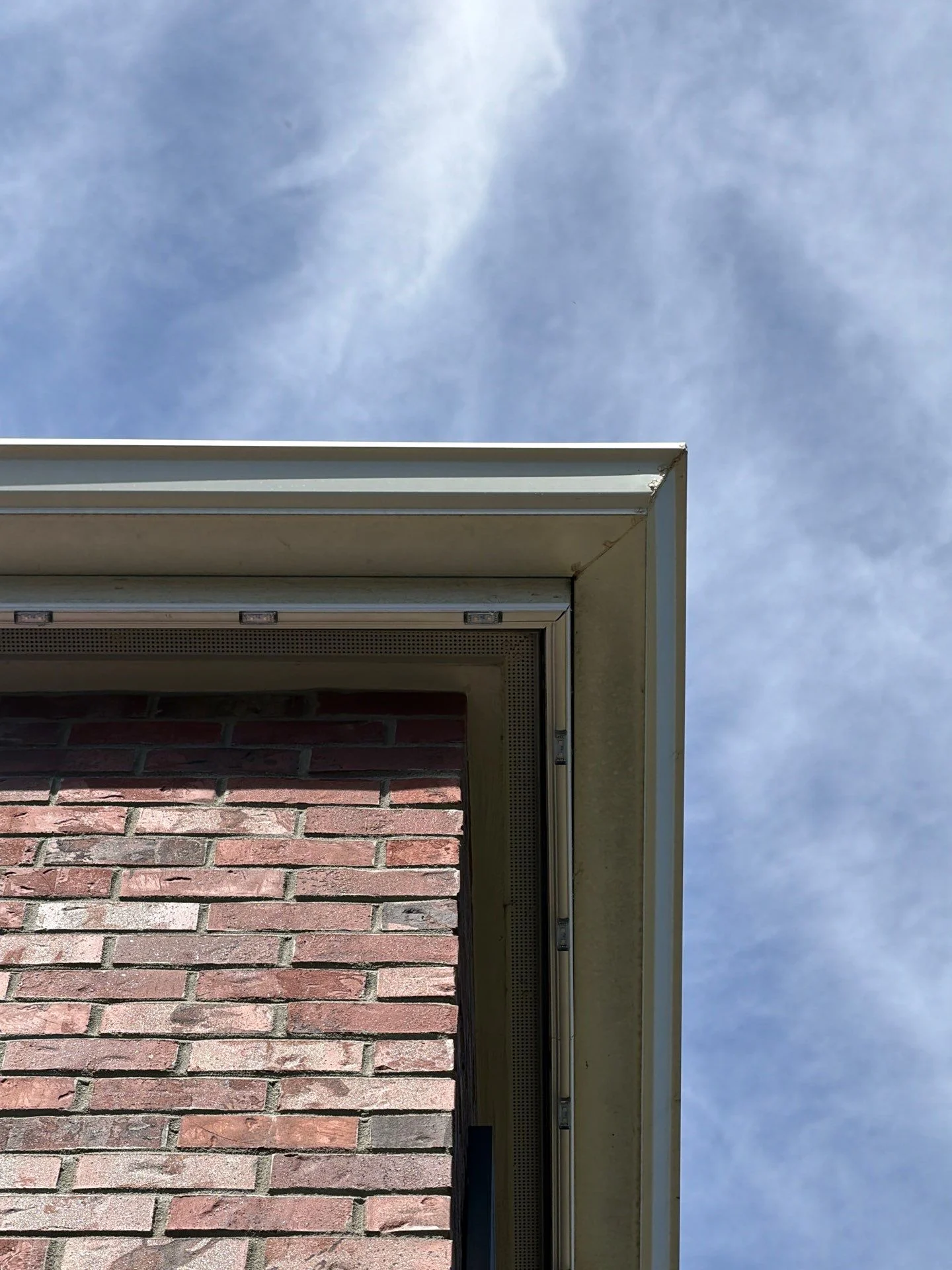
Reading Water and Dust Ratings
You will often see ratings like IP65 or IP67 on lighting boxes and websites. The letters stand for ingress protection, and the two numbers describe how well a product keeps out dust and water. The Ledvance explainer on IP ratings breaks it down: the first digit covers dust and solid objects, the second covers water, and higher numbers mean better protection.
| Rating | Dust | Water | What it means in plain English |
|---|---|---|---|
| IP65 | Dust tight | Resists low pressure water jets | Handles rain, splashing and a gentle spray, but cannot be submerged |
| IP66 | Dust tight | Resists high pressure water jets | Stronger against heavy spray, still not made for submersion |
| IP67 | Dust tight | Includes IP65 protection and adds short submersion | Survives being under about a meter of water for 30 minutes |
Two cautions. First, a rating applies to a specific component tested a specific way, not to the whole system and not for all time. A great rated light on a poorly sealed connector is still a weak link. Second, a rating is a starting point, not a warranty. Ask any installer what rating applies to each part of their system, and ask what the warranty covers if moisture does get in. That is a fair question, and we are happy to answer it for our permanent lighting system.
Not sure what your home needs?
Send us a photo of your roofline and we will walk you through the options.
Wind, Storms and Secure Fastening
Most Sacramento wind is gentle, but spring gusts and the occasional winter storm do move through. Anything loose will find out. For permanent lighting, the lesson is simple: the system should be fastened as if it will be there for years, because it will.
- Solid anchor points. Track belongs on solid structure such as fascia and trim, not on anything that flexes.
- Secured wiring. Runs should be routed neatly and fastened, not left to flap.
- Clean sight lines. A tidy install catches less wind and looks better.
- A plan for trees. If branches overhang your roofline, tell your installer. Storms bring branches down, and a trim before the season is cheap insurance.
If something does come loose after a storm, you want an installer who answers the phone. That kind of service matters more than any spec sheet.
"Great experience year after year. If anything comes loose, Clark comes right away to fix it, and he schedules takedown way ahead of time, which is so convenient."
Kelley Kalin, Google Review, Sacramento Area HomeownerDust, Ash and Smoke
Californians know that summer and fall can bring wildfire smoke, ash and plenty of dust. Lights collect a film of grime like anything else outdoors, and over time that can dull the glow. The good news is that a clean surface is easy to restore. Our maintenance tips cover how to keep your lights bright, and the same care applies to a permanent system.
A few practical habits help:
- Wipe, do not scrub. A soft cloth and clean water is usually enough for light dust. Avoid harsh chemicals or abrasive pads.
- Keep the area clear. Leaves, pine needles and debris collecting around track and power equipment can hold moisture.
- Look after the gutter. If you clean your gutters, check the lighting at the same time. Our gutter cleaning bundle is one way homeowners combine the two jobs.
- Call us for stubborn grime. If lights look dull after a heavy smoke season, we can advise on the right approach.
The Power Equipment
People tend to focus on the lights, but the power supply and controller are the heart of the system. They convert household power, feed the lights and run the show, and they are usually the parts most sensitive to heat and moisture.
| Component | What it does | Weather question to ask |
|---|---|---|
| Power supply | Converts power for the lights | Where is it mounted, and how is it protected from sun, water and heat? |
| Controller | Runs colors and effects | Is it housed in a weather protected enclosure? |
| Connections | Join runs of lights | How are they sealed against moisture? |
| Outlet | Supplies power | Is the outdoor outlet protected by a ground fault circuit interrupter? |
That last question is about safety as much as weather. The Electrical Safety Foundation International recommends outdoor rated products and ground fault protected outlets for outdoor decorations, and it is worth confirming before any installation. If you leave lights on for long evenings, our guide on whether lights can stay on all night safely covers what to consider.
Keeping It Looking Good for Years
Even a well built system benefits from a little attention. Think of it like a car: you can drive it for years, but regular care keeps it looking and running well.
- Look it over twice a year. A quick walk around in spring and fall, before dry heat and before wet weather, catches small things early.
- Check the colors. Run through your color palette and make sure every section behaves.
- Tell us early. A single dim spot is easier to fix than a run that has been wet for months.
- Keep records. Save your install date and warranty terms so you know what is covered.
Our year round service guide explains how ongoing care works for both seasonal and permanent customers. Our site currently lists a five year warranty on parts and a one year warranty on labor for permanent lighting, and you can see the current terms on our FAQ page.
Permanent vs Seasonal Lights in the Weather
One more way to look at the question is to compare permanent lights with the seasonal kind. Seasonal strings go up in November and come down in January, so they face winter but skip the summer. Permanent lights face all of it.
| Seasonal lights | Permanent lights | |
|---|---|---|
| Time outdoors | Roughly the holiday season | Year round |
| Biggest weather stress | Winter rain, fog and cold | Summer heat and sun, plus winter moisture |
| What helps most | Good installation and careful take down | Outdoor rated parts, sealed connections and local service |
| Maintenance | Handled at take down and storage | Seasonal checks and occasional cleaning |
Neither is better in every case. If you want the full comparison, read Christmas lights vs permanent lighting in Sacramento. And if the idea of a system that works all year appeals, our guide to using permanent lights beyond Christmas shows what that looks like.
What to Ask Before You Buy
Here is the short checklist I would use if I were buying permanent lighting for my own home in Sacramento.
| Ask this | Because |
|---|---|
| What are the dust and water ratings, and for which parts? | Ratings apply to specific components, not to the whole system. |
| Where is the power equipment mounted, and how is it protected? | Heat and moisture are hardest on electronics. |
| How are connections sealed? | Water usually gets in at joints, not on smooth surfaces. |
| How are runs fastened? | Wind finds anything loose. |
| What does the warranty cover, and who services it locally? | A warranty is only as good as the person who answers the phone. |
| Can I see real Sacramento projects? | Local examples are proof the system works here. Browse our project gallery. |
Cost is part of the decision too. Our permanent lighting cost guide and pricing page lay out what to expect, and our financing options let you spread the cost over monthly payments with a soft credit check.
The Bottom Line
Permanent lights can handle Sacramento weather when the product is outdoor rated, the power equipment is protected, the connections are sealed and the whole thing is fastened with care. What you want to avoid is a system chosen on price alone and installed in a hurry.
If you want to see what a well built system looks like on your own house, start with a free quote, or play with colors and styles in the visualizer below. And if you are comparing us with other installers, use the checklist above. A good company will be happy to answer every question on it.
Keep reading: related guides from Santa's Lights.
Want to see permanent lights on your own home?
Try our AI Visualizer, completely free.
FAQ: Permanent Lights and Sacramento Weather
Can permanent lights stay up in Sacramento summers?
Yes, when the system is outdoor rated and installed with heat in mind. Sacramento averages a July high of roughly 94 degrees, with record highs well above 100, so ask about UV resistance and how the power equipment is protected from the sun.
Are permanent lights waterproof?
Look for a stated water and dust rating, such as IP65 or IP67, and ask which parts it applies to. A rating describes tested protection, not a guarantee for the whole system forever.
Will rain or fog damage permanent lights?
Properly sealed, outdoor rated lighting is designed for rain and moisture. The weak points are usually connections and power equipment, which is why sealing and placement matter.
What happens in a windy storm?
A well fastened system on solid structure is built to stay put. If anything comes loose after a storm, call your installer promptly.
Does wildfire smoke or ash hurt the lights?
It can leave a film that dulls the glow, but light dust is usually easy to wipe away with a soft cloth and clean water. Avoid harsh chemicals.
How long do permanent lights last?
That depends on the product, the install and the conditions, and no installer can promise an exact number. Ask for the warranty terms in writing and check what is covered.
What warranty do you offer?
Our site currently lists a five year warranty on parts and a one year warranty on labor for permanent lighting. See our FAQ page for the latest terms.
Do permanent lights need maintenance?
A little. A look over in spring and fall, occasional cleaning and prompt attention to anything that looks off will keep a system in good shape.
How much do permanent lights cost in Sacramento?
It depends on the home. Our pricing page and cost guide explain the range, and a free quote gives you a firm number.
Good lighting should be something you stop thinking about and simply enjoy. That takes the right parts, careful installation and a local company that answers the phone when the weather changes. If you want to talk through your home, I am here.
Clark, Santa's Lights

Clark started Santa's Lights back in 2014 with a ladder, a truck, and way too much confidence in his own knot tying. Since then he's lit up thousands of homes across Sacramento, Loomis, Folsom, and beyond, and he still shows up to jobs himself often enough to know exactly what he's talking about. When he's not on a roofline, he's probably answering your call directly, because that's still how this business works.